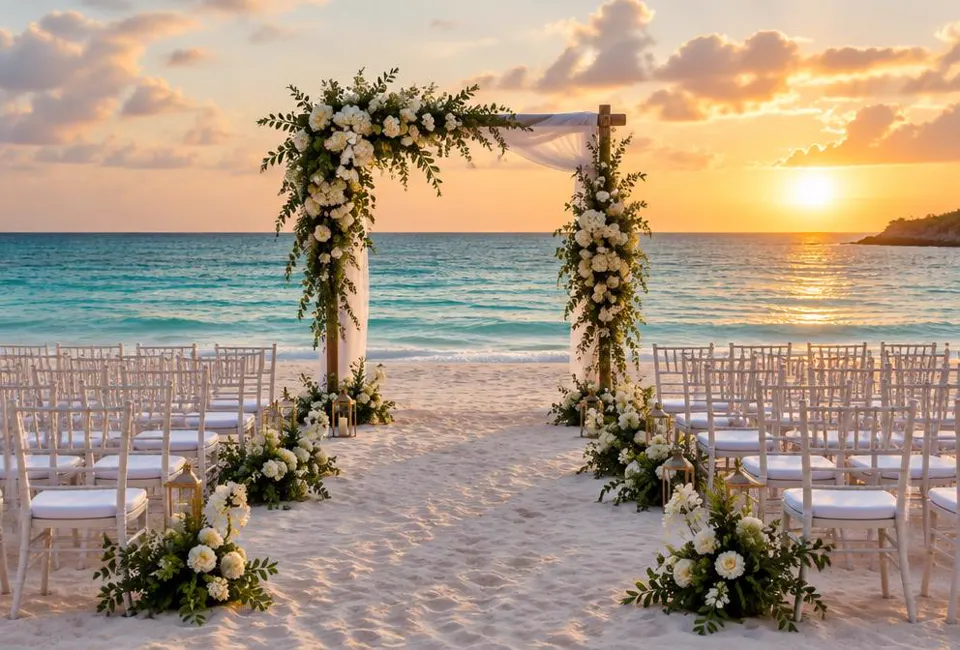
Defining the Scope and Choosing Your Location
The first step in destination wedding planning is identifying why you want to marry away from home and what specific environment suits your relationship. This choice dictates every subsequent logistical hurdle.
Before browsing venues, establish your non negotiables. Are you seeking a location with deep personal meaning, or are you looking for a place that offers a specific climate or aesthetic? Consider the accessibility for your most important guests. A remote island in the South Pacific may be visually stunning, but if your elderly grandparents cannot manage long haul flights and multiple boat transfers, the location might be a poor fit. Research the political stability, weather patterns, and peak tourism seasons of potential regions. Planning a wedding in the Caribbean during peak hurricane season from June to November introduces significant risks that require robust insurance policies and contingency plans.
Assessing Local Infrastructure and Connectivity
Infrastructure is often overlooked during the initial excitement. Investigate the proximity of the nearest international airport to your preferred venue. If the venue is more than two hours away from a major hub, you must consider how guests will bridge that gap. Check the availability of high speed internet if you plan to live stream the ceremony for those who cannot attend. Furthermore, evaluate the local supply chain. In remote areas, items like specific floral varieties or high end audio equipment may need to be imported at a significant cost. Choosing a location with a developed wedding industry often simplifies logistics but may come with higher venue fees.
Navigating Global Weather Patterns
Global seasonality affects more than just the temperature. It impacts the cost of flights and the availability of accommodation. For instance, a wedding in the European Alps during the winter ski season will face premium pricing and limited availability. Conversely, a summer wedding in the Middle East may be unbearable for guests due to extreme heat, forcing the entire event indoors. Consult historical weather data rather than relying on promotional photos. Always have a 'Plan B' for outdoor ceremonies that is just as appealing as the primary choice. This ensures that a sudden monsoon or heatwave does not derail the emotional experience of the day.
Navigating International Legal Requirements
One of the most complex aspects of destination wedding planning is ensuring the marriage is legally recognized in both the host country and your home country.
Many couples choose to separate the legal ceremony from the celebratory event. This involves having a simple civil ceremony at a local registry office in their home country before departing. This approach eliminates the need to translate birth certificates, obtain Apostille stamps, or meet residency requirements in a foreign land. However, if you wish for the legal marriage to take place at your destination, you must begin the paperwork at least six to nine months in advance. Requirements vary wildly: some countries require a blood test, while others require you to reside in the country for several days before the license is issued.
Understanding Residency and Waiting Periods
Residency requirements refer to the amount of time you must be physically present in a country before you can legally marry. In France, for example, at least one of the parties must reside in the town where the marriage will take place for at least 30 days prior to the application. In contrast, places like Gibraltar or Las Vegas have very minimal residency requirements. Failure to adhere to these timelines can result in a ceremony that is not legally binding. Always check the official government website of the destination and consult with your local embassy to confirm the latest regulations.
The Paperwork Trail: Apostilles and Translations
If you are marrying in a country where the official language is different from your own, you will likely need to have your documents translated by a certified translator. Many countries also require an Apostille, which is a form of international legalization that authenticates the seals and signatures on public documents. This process can take several weeks and involves sending documents to state or federal authorities. Keep a digital folder of all scans, but remember that most foreign authorities will require the original physical documents with the wet ink signatures and embossed seals upon your arrival.
| Region | Typical Residency Requirement | Key Documentation Needed | Note on Legal Validity |
|---|---|---|---|
| Mexico | 2 to 4 days | Blood tests, Passport, Tourist Card | Civil ceremony is the only legal one. |
| Italy | 2 to 3 days | Nulla Osta (Sworn Statement), Passport | Requires translation and Apostille. |
| Thailand | 3 to 4 days | Affidavit of Freedom to Marry | Must be registered at the District Office. |
| Caribbean (e.g., Jamaica) | 24 to 48 hours | Birth Certificates, Divorce Decree (if any) | Relatively simple for English speakers. |
Building a Travel Aware Budget
A destination wedding budget is not simply a standard wedding budget plus a flight. It involves unique line items such as shipping, travel insurance, and extended guest hospitality.
When calculating costs, you must be explicit about the currency and market context. According to The Knot 2023 Real Weddings Study, the average cost of a wedding in the United States was approximately 35,000 USD, but destination weddings often involve smaller guest counts which can lower the total spend while increasing the cost per head. In the UK, data from the Bridebook 2024 Wedding Report suggests an average total cost of around 20,775 GBP, though this excludes the honeymoon. When planning abroad, you must account for currency fluctuations. A budget set in USD for a wedding in the Eurozone might lose 10 percent of its purchasing power over a twelve month planning cycle if the exchange rate shifts unfavorably.
Identifying Hidden International Expenses
Hidden costs in destination wedding planning often stem from logistics. Shipping decor items internationally can be prohibitively expensive and subject to customs duties. It is almost always more cost effective to source items locally or choose a venue that provides high quality rentals. You should also budget for 'site visits.' While many couples try to plan everything virtually, visiting the venue at least once before the wedding is highly recommended to verify the quality of the food and the layout of the space. Budget for at least one trip including flights, accommodation, and tasting fees.
Budgeting for Imported vs. Local Talent
If you choose to bring a photographer or hair stylist from your home country, you are generally expected to cover their airfare, accommodation, and a daily stipend for meals. This can add 2,000 to 5,000 USD to a single vendor's fee. Alternatively, hiring local talent saves on travel costs but requires more intensive vetting. In markets like Australia, where the Easy Weddings 2025 Industry Insights report indicates the average wedding cost is roughly 34,700 AUD, local labor rates are high, so do not assume that 'destination' always means 'cheaper.' Always request quotes in the local currency to avoid confusion.
Essential Destination Budget Items
- International travel insurance with wedding cancellation coverage
- Passport renewal and visa application fees
- Currency exchange buffer (5 to 10 percent of total budget)
- Shipping and customs duties for attire or decor
- Welcome bags and guest transport shuttles
- Site visit expenses (flights, hotel, car rental)
- Legal fees, translations, and Apostille services
- Imported vendor travel and subsistence costs
Supporting the Guest Experience
Your guests are making a significant financial and time commitment to attend. Clear, proactive communication is essential to ensure they feel valued rather than burdened.
The timeline for communication is much longer for a destination wedding. Save the dates should be sent at least 9 to 12 months in advance, allowing guests to book time off work and find affordable travel deals. A comprehensive wedding website is your most valuable tool. It should include airport codes, recommended hotels at various price points, local transportation options (such as reputable taxi apps or car rental agencies), and a rough itinerary of the weekend's events. Be transparent about what costs the guests are expected to cover. Generally, guests pay for their own flights and accommodation, while the couple provides meals and entertainment for the scheduled wedding events.
Creating a Balanced Multi Day Itinerary
A destination wedding is rarely just a six hour event. Most couples plan a three day experience: a welcome reception, the wedding day, and a post wedding brunch or activity. However, avoid over scheduling. Guests often view these trips as their own mini vacations and will appreciate having free time to explore the destination on their own. Provide a list of local recommendations for cafes, museums, and shops so they can enjoy the location independently. If the location is remote, you should consider providing group transport to and from the airport to minimize guest stress.
The Role of Welcome Bags and Local Information
Welcome bags are a thoughtful touch that serves a practical purpose. Include items that help guests adjust to the local environment: bottled water, local snacks, sunscreen, insect repellent, or maps of the immediate area. A printed itinerary is also helpful, as international roaming charges or poor signal might make accessing the website difficult. If you are hosting a wedding in a country with specific cultural norms regarding dress or behavior (such as covering shoulders in religious sites), clearly outline these expectations in the welcome materials to prevent any guest from feeling out of place or disrespectful.
Hiring and Managing Remote Vendors
Building a team of professionals from thousands of miles away requires diligent vetting and a reliance on digital communication tools.
A local wedding planner is often the most important investment you will make. They speak the local language, understand the regional business culture, and have established relationships with reputable florists, caterers, and decorators. When interviewing planners, ask about their experience with international couples and their process for handling payments to sub vendors. In many regions, business is still conducted via bank transfers rather than credit cards, and a local planner can facilitate these transactions securely. Ensure all contracts are provided in a language you understand fluently before signing.
Vetting Vendors Without In Person Meetings
Use video calls to gauge the personality and professionalism of your vendors. Ask to see full galleries of recent work at your specific venue, rather than just curated 'best of' portfolios. If you are hiring a caterer, ask for detailed descriptions of their sourcing practices and how they handle dietary requirements in a way that aligns with local culinary traditions. For photographers, look for those who have experience shooting in the specific light conditions of your destination, whether it is the harsh midday sun of the Mediterranean or the moody, overcast skies of the Scottish Highlands.
Establishing Communication Expectations
Time zone differences can lead to delays in communication. Establish a primary channel for discussion (such as email or a specific project management tool) and agree on expected response times. Be mindful of local holidays and 'off' seasons when vendors may be less responsive. For example, many European wedding professionals take significant breaks in August or January. Setting these expectations early prevents frustration and ensures that the planning process remains steady. Always confirm every verbal agreement in writing to maintain a clear paper trail for all logistical decisions.
| Vendor Type | Pros of Local | Pros of Imported | Key Consideration |
|---|---|---|---|
| Planner | Local knowledge, language, vendor network. | Easier time zone alignment for meetings. | Local is almost always better for logistics. |
| Photographer | No travel costs, knows best lighting spots. | Consistent style, easy to meet for engagement shoot. | Check for international equipment insurance. |
| Caterer | Access to fresh, regional ingredients. | N/A (Rarely imported due to health codes). | Menu tasting is essential during a site visit. |
| Entertainment | Understand local music tastes and permit laws. | Can bring a specific sound or cultural style. | Imported DJs may need to rent local equipment. |
Mastering Logistics and Attire Transportation
The physical act of moving people and delicate items across borders is the backbone of destination wedding planning.
Transporting your wedding attire is a high stakes task. Never check your wedding dress or suit in a cargo hold. Instead, carry it in a high quality garment bag and ask the flight attendants if there is space in the onboard coat closet. Most airlines are accommodating, but it is not a guarantee. If the closet is full, lay the bag flat across the top of other suitcases in the overhead bins. Once you arrive at your destination, immediately hang the garments and arrange for professional steaming. Many high end hotels offer this service, but you should confirm this in advance to avoid last minute panic over wrinkles.
Coordinating Group Movement
If your ceremony and reception are in different locations, or if guests are spread across multiple hotels, providing a shuttle service is essential. It ensures everyone arrives on time and allows guests to celebrate without worrying about navigating unfamiliar roads or local drink driving laws. When hiring transport, verify the vehicle's air conditioning status, especially in hot climates, and ensure the driver has a clear, printed itinerary with exact GPS coordinates. Relying on local taxi services for a large group at the end of a night can lead to long wait times and unhappy guests.
The Risks of Shipping Decor Items
Shipping decor internationally is fraught with risk. Items can be held in customs for weeks, damaged in transit, or subjected to unexpected import taxes. A more reliable strategy is to buy items locally or use a venue that is already well styled. If you must bring specific items, such as personalized favors or stationery, pack them in your checked luggage. Use sturdy, hard shell suitcases and plenty of bubble wrap. For large scale decor, work with your local planner to find regional artisans who can recreate your vision using local materials, which often adds a beautiful, authentic touch to the event.
Cultural Sensitivity and Local Traditions
A destination wedding is an opportunity to honor the culture of the place you have chosen to host your celebration.
Respecting local customs is both a matter of etiquette and practical necessity. Research the local traditions regarding marriage and celebrations. In some cultures, a wedding is a community event, and you may find that local expectations for noise or public presence differ from your own. If you are marrying in a religious building, strictly adhere to the dress code and photography rules. For example, many cathedrals in Europe require shoulders and knees to be covered. Providing shawls for guests who may not be aware of these rules is a thoughtful way to ensure everyone is respectful.
Blending Your Traditions with Local Elements
You do not need to abandon your own traditions, but blending them with local elements creates a unique experience. This could involve incorporating local music during the cocktail hour, serving a traditional regional dessert alongside your wedding cake, or using local flowers in your arrangements. In Japan, this might mean a sake sharing ceremony, while in Mexico, it could involve a Mariachi band for the recessional. Be careful to avoid cultural appropriation: always consult with local experts or your planner to ensure that your use of traditional elements is respectful and accurate.
Navigating Local Gratuity Customs
Tipping customs vary significantly around the world. In the United States, tipping is expected and often substantial. In countries like Japan, tipping can be seen as confusing or even offensive. In many European countries, a service charge is included in the bill, and a small additional tip is appreciated but not mandatory. Ask your local planner for a guide on what is appropriate for each vendor type. Preparing envelopes of cash in the local currency for tips and final payments before you leave home will save you from hunting for an ATM in a foreign city.
Cultural Logistics Checklist
- Research local noise ordinances and curfew times
- Verify religious site dress codes for guests and the couple
- Confirm if a local translator is needed for the ceremony
- Identify appropriate tipping amounts for local service staff
- Ensure floral choices are not culturally insensitive (e.g., certain flowers associated with funerals)
- Check for local public holidays that might close shops or affect traffic
- Provide guests with a brief guide to local etiquette and basic phrases
Contingency Planning and Managing Changes
When planning across borders, you must be prepared for things to go wrong. Flexibility is the hallmark of a successful destination wedding couple.
The most common disruptions include flight delays, lost luggage, and sudden weather shifts. Purchase a comprehensive wedding insurance policy that specifically covers international travel and 'change of heart' is rarely covered, but 'force majeure' events like natural disasters or travel bans usually are. Create a contact tree so you can quickly communicate with all guests in the event of a last minute change. If a key vendor falls ill, your local planner should have a list of back up professionals who can step in with minimal notice. This is why hiring an agency rather than a solo practitioner can sometimes offer more security.
Handling Guest Emergencies Abroad
Guests may encounter issues ranging from lost passports to medical emergencies. While you are not responsible for their personal travel, having a list of local emergency resources available can be a lifesaver. Know the location of the nearest hospital and the contact information for major embassies. If a guest cannot make it due to travel delays, try to have a way for them to watch a recording of the ceremony later. Keeping a calm demeanor when things go awry will help your guests stay relaxed as well. Remember that the ultimate goal is the marriage, not the perfect execution of every logistical detail.
Wrapping Up: Post Wedding Tasks
The work does not end when the last guest leaves. You may need to wait several weeks for your official marriage certificate to be mailed to you. If you married legally abroad, you might need to register that marriage with your local government upon your return. Ensure you have settled all final invoices with your vendors before departing the country. Finally, if you had items shipped to the destination, you will need a plan for shipping them back or donating them. Many couples choose to donate leftover decor or floral arrangements to local charities or hospitals as a way of giving back to the host community.