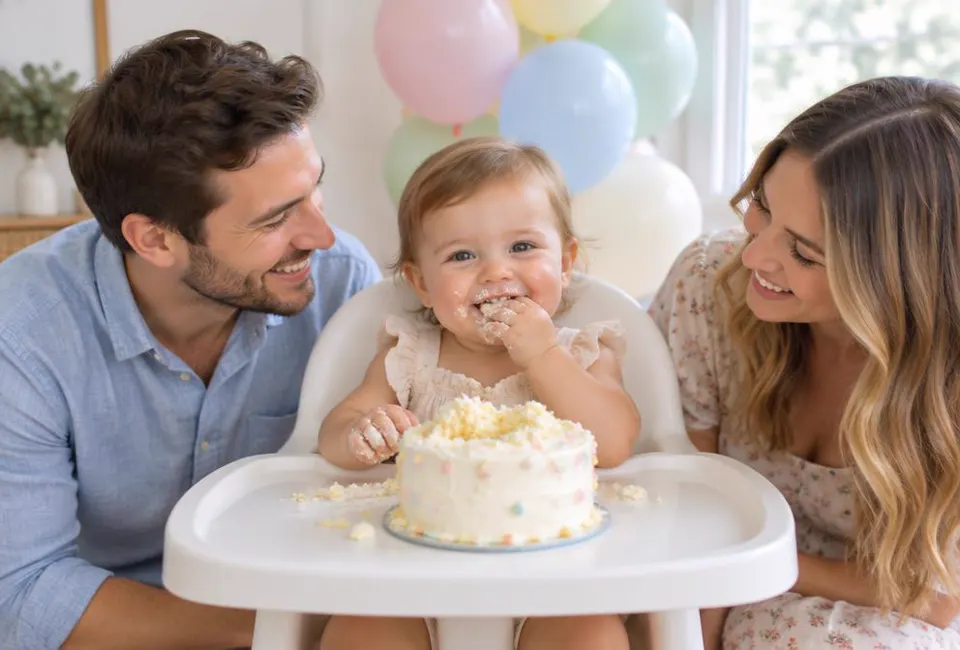
Defining Goals and Vision for the First Milestone
The initial phase of planning focuses on aligning your expectations with the practical realities of a one year old child. Establishing a clear vision ensures the celebration remains meaningful rather than overwhelming for the family.
The transition from infancy to toddlerhood is a monumental milestone that deserves recognition, yet the primary goal should always center on the comfort of the guest of honor. When brainstorming first birthday party ideas, planners must decide if the event serves as a sophisticated social gathering for adults or a sensory experience tailored for young children. A successful strategy balances these two needs by creating a safe, engaging environment for the birthday child while offering a pleasant social atmosphere for the parents and relatives. Establishing these core priorities early prevents scope creep, which occurs when a simple celebration transforms into an unmanageable production. By focusing on emotional resonance rather than visual perfection, you create a foundation that supports a joyful day. Consider how the child interacts with crowds and noise, as this should dictate the overall energy level of the event. A calm, intimate setting often yields better photographic results and happier memories than a loud, chaotic environment that might lead to sensory overload for a small child.
Practicality must drive every decision made during the goal setting phase to ensure the logistics remain sustainable. A common mistake involves trying to replicate high budget social media trends without considering the specific personality of the individual child. You should define what success looks like for your family, whether that means a large reunion of extended relatives or a quiet afternoon with a few close friends. The objective is to celebrate growth and survival through the first year of parenthood while honoring the unique personality the child has developed. Take time to reflect on the specific milestones of the past twelve months and how you want to reflect those in the celebration theme or flow. This stage is about setting boundaries on time, effort, and complexity to ensure the hosts can actually enjoy the festivities rather than spending the entire day managing logistics. A well defined goal acts as a filter for all subsequent choices regarding the guest list, venue, and decor themes.
Core Objectives for a Stress Free Celebration
Every planning decision should be measured against the primary objective of keeping the child on their regular routine as much as possible. A child who is well rested and fed will be more resilient during the inevitable attention they will receive from guests. The goals should also include a plan for documentation, ensuring that memories are captured without the parents spending the whole time behind a camera lens. Delegating photography or hiring a professional allows you to be present in the moment, which is a vital goal for any first birthday party. Another significant objective is guest comfort, which involves providing adequate seating and refreshments that cater to both adults and children. When you prioritize the experience of the attendees alongside the needs of the child, the event naturally finds a harmonious rhythm. This dual focus ensures that the day feels like a celebration for the entire support network that helped the family navigate the first year of the child's life.
Primary Goal Checklist
- Align the party start time with the child's natural wake windows
- Identify the top three emotional moments you wish to capture
- Determine the desired ratio of adult guests to child guests
- Set a limit on the total duration to prevent child fatigue
- Establish a 'quiet zone' for the child if they become overwhelmed
- Define the level of formality to guide all future aesthetic choices
Defining the theme is the next step in the goal setting process, but it should be treated as a secondary priority to functionality. While searching for first birthday party ideas, look for themes that can be executed with simple color palettes or recurring motifs rather than complex custom builds. A theme should serve as a cohesive thread that ties the invitations, decor, and food together without requiring an excessive amount of DIY labor. Whether you choose a classic childhood story, a favorite animal, or a simple seasonal concept, the theme should reflect the child's current interests. At one year old, these interests might be as simple as a specific toy or a song they enjoy. Keeping the theme grounded in the child's reality makes the event more authentic and less like a generic production. This approach also simplifies the shopping process, as you can look for items that fit a broad color scheme rather than hunting for very specific, hard to find branded merchandise.
Sustainability and waste reduction are increasingly important goals for modern events. Consider how you can celebrate this milestone while minimizing the environmental impact through reusable decor or digital communications. Choosing high quality, multipurpose items over single use plastics not only looks more sophisticated but also aligns with a mindful approach to parenting. Setting a goal for a low waste event can actually simplify your planning by reducing the sheer volume of items you need to purchase and later discard. This philosophy extends to the gifts as well, where you might set a goal of encouraging meaningful experiences or contributions to a savings fund rather than an influx of plastic toys. Communicating these values to your guests helps set expectations and ensures the celebration reflects the family's long term lifestyle. By integrating these values into your initial goals, you create a more intentional and impactful event that resonates with your community.
Finally, the goal setting phase must include a discussion on the roles and responsibilities of each parent or co host. Planning a first birthday is a significant task, and clear communication prevents resentment and ensures that no one person is carrying the entire burden. Divide the tasks into categories such as logistics, creative direction, and guest management to ensure all bases are covered. Having a shared vision means that when quick decisions need to be made on the day of the event, both partners are moving in the same direction. This unity contributes to a relaxed atmosphere, which the child will pick up on and mirror. Remember that the ultimate goal is to celebrate a year of life and love, and any plan that compromises the family's well being should be reconsidered. By keeping these priorities at the forefront, you ensure the planning process is as rewarding as the celebration itself, leading to a successful first milestone.
Curating a Balanced Guest List
The size and composition of your guest list will dictate every other logistical element of the party. A thoughtful approach to inviting guests ensures the space remains manageable and the atmosphere stays welcoming.
Developing the guest list requires a delicate balance between including everyone who has supported you and keeping the environment suitable for a one year old. Start by categorizing potential guests into tiers, such as immediate family, close friends with children, and other supportive community members. This tiered approach allows you to see the scale of the event clearly and make cuts if the numbers exceed the capacity of your chosen venue. It is important to remember that every additional guest increases the noise level and the complexity of the catering. For a first birthday, many parents find that a smaller, more intimate group allows the child to feel more secure and interactive. If you have a very large extended family, consider a separate, casual open house format that allows people to drop in over a period of time, reducing the number of people in the room at any single moment.
When inviting other children, consider their ages and the specific needs they will have during the event. A party filled with toddlers requires significantly more supervision and safety measures than a party where the children are older. If you plan to invite many infants and toddlers, you must ensure there is enough space for strollers and a designated area for diaper changes. The presence of other children can make the party more fun for the birthday child, but it also adds a layer of unpredictability. You should also think about the ratio of adults to children, as a high number of adults can make a room feel crowded very quickly. A useful guideline is to prioritize the people who have a direct and active relationship with the child. This ensures that the guests are genuinely invested in the milestone and will be patient with the child's needs throughout the celebration.
Decision Framework for Invitations
| Guest Category | Considerations | Impact on Planning |
|---|---|---|
| Immediate Family | Essential support system | High priority for seating and photos |
| Close Friends with Kids | Playmates for the child | Requires child proofing and kid friendly food |
| Distant Relatives | Social obligation vs connection | Can significantly increase venue size needs |
| Neighbors/Co-workers | Local community | Good for casual, local celebrations |
Managing expectations regarding 'plus ones' and siblings is another critical aspect of guest list management. Be very clear on your invitations about who is invited to prevent unexpected arrivals that could strain your seating or catering. If space is limited, it is perfectly acceptable to limit invitations to just the children of close family members. Communication should be polite but firm to ensure you stay within the safety limits of your venue. Many hosts find that providing a clear 'RSVP by' date at least two weeks before the event is essential for finalized planning. This timeframe allows you to adjust food quantities and seating arrangements without last minute stress. Remember that a first birthday is often the first time many friends will see the child in a social setting, so providing a guest list that facilitates actual conversation is a great service to your attendees.
Address the logistics of out of town guests early in the process to ensure they have enough time to make travel arrangements. While you are not responsible for their travel costs, providing a few local accommodation suggestions or a general schedule of the weekend can be very helpful. If a large portion of your guest list is traveling, you might consider hosting a small brunch the following morning to maximize the time spent together. However, be careful not to overbook your own schedule, as you will need time to rest after the main event. The guest list should ultimately reflect the community that you want to surround your child with as they grow. Each person invited should bring a sense of warmth and support to the environment, contributing to the overall success of the day and creating a positive atmosphere for the child's first major social experience.
Digital guest list management tools can be incredibly effective for tracking RSVPs and dietary restrictions in one place. These tools often allow you to send updates to your guests, such as changes in parking or reminders about the timing of the cake smash. When collecting responses, make sure to ask about food allergies, as this is crucial for the safety of both children and adults. Having this information categorized early allows you to plan a menu that is inclusive and safe for everyone. As the RSVPs come in, keep a running total of children versus adults to help you determine the volume of specialized items like high chairs or kid sized snacks. The guest list is a living document that requires regular attention in the weeks leading up to the party, so staying organized will prevent a lot of headaches as the date approaches.
Ultimately, the guest list should prioritize the quality of interactions over the quantity of attendees. A room filled with fifty people who barely know the child will feel very different from a room of twenty people who are deeply connected to the family. Focus on creating a guest list that feels like a warm embrace for your family. If the process of making the list feels stressful, take a step back and remind yourself of the primary goal of the day. You are celebrating a beautiful year of life, and the people there should be those who truly want to celebrate that journey with you. Once the list is finalized, you can move forward with confidence, knowing exactly how many people you need to feed, seat, and entertain, which makes the rest of the planning process much more linear and achievable.
Budgeting for the Big One
Financial planning for a first birthday requires a realistic assessment of costs versus the perceived value of each element. A structured budget allows you to allocate funds to the areas that will have the most significant impact on the guest experience.
Creating a budget for a first birthday starts with a total 'willingness to pay' figure that does not compromise your family's financial stability. Once you have this total, you can work backwards to allocate percentages to various categories such as venue, food, decor, and photography. A common breakdown involves spending forty percent on food and beverage, twenty percent on the venue, fifteen percent on photography, and the remaining twenty five percent on invitations, cake, and decor. This framework is flexible and should be adjusted based on your priorities. For instance, if you are hosting at home, you can reallocate the venue budget to higher quality catering or a professional photographer. The key is to have these numbers documented before you start shopping to avoid impulse purchases that can quickly inflate the total cost of the celebration.
Hidden costs are the most frequent cause of budget overruns in birthday planning. These include items like delivery fees, taxes, service tips, and the cost of basic supplies like trash bags or extra ice. When researching first birthday party ideas, it is easy to forget the logistical costs of serving food, such as plates, cutlery, and napkins. Always add a ten percent contingency fund to your total budget to cover these unexpected expenses. This buffer provides peace of mind and ensures that a small mishap does not derail your entire financial plan. If you find yourself approaching your limit, look for areas where you can scale back without impacting the overall experience, such as choosing digital invitations over printed ones or simplifying the floral arrangements. Being disciplined with your spending allows you to focus on the joy of the event rather than the stress of the bills.
Standard Budget Allocation Percentages
To visualize your spending, it helps to use a placeholder example. If your total budget is 1,000 in your currency, your food and drink might account for 400, while your photography could take 150. Seeing the numbers in this way makes the trade offs much clearer. You might decide that you would rather spend less on decor to afford a better cake, or vice versa. This mathematical approach removes the emotion from spending decisions and keeps the planning process grounded in reality. It is also helpful to track your actual spending against your estimates in a simple spreadsheet. This real time monitoring allows you to make adjustments on the fly if one category ends up costing more than expected. Most people find that the majority of their spending occurs in the final two weeks, so having a clear picture of what is left in the budget is vital during the home stretch.
Budget Tracking Checklist
- Calculate total available funds for the event
- Assign percentage targets to each major category
- Research and record the costs of at least three venue options
- Estimate costs for food and beverages per person
- Set aside a 10% emergency contingency fund
- Track all deposits and final payment due dates
Food and beverage typically represent the largest expense, but there are many ways to manage this effectively. Consider the time of day, as a mid afternoon party requires only light snacks and cake, which is significantly cheaper than a full lunch or dinner. If you are hiring a caterer, ask for a variety of menu options at different price points. Buffets are generally more cost effective than plated meals and allow for a greater variety of food to accommodate different dietary needs. For drinks, a selection of water, juice, and a few signature options is usually sufficient and much more affordable than a full open bar. Remember that the quality of the food matters more than the quantity. A few well prepared items will be more memorable than a massive spread of mediocre food. By focusing your food budget on high impact items, you can create a satisfying experience for your guests without overspending.
Decor is another area where costs can spiral if not managed carefully. Instead of buying hundreds of small items, focus your budget on one or two 'statement' pieces, like a beautiful backdrop for the cake smash or a well designed entrance sign. These focal points will appear in most of your photos and provide the most visual impact for your money. Many items can also be repurposed from the child's nursery or borrowed from friends who have recently hosted similar events. Second hand marketplaces are also excellent resources for finding high quality decor at a fraction of the original price. By being creative and resourceful, you can achieve a high end look on a modest budget. The goal is to create a festive atmosphere that feels special without being cluttered or wasteful. Strategic spending in this area ensures that your photos look great while your bank account remains healthy.
Finally, consider the long term value of your purchases. Investing in a professional photographer provides you with high quality images that you will cherish for decades, which often offers a better return on investment than expensive party favors that guests may discard shortly after the event. When deciding where to spend your money, ask yourself if the item will contribute to a lasting memory or the immediate comfort of your guests. If the answer is no, it might be an area where you can save. A first birthday is a fleeting moment, and the most important things, like the love of family and the joy of the child, are free. A well managed budget ensures that the financial aspect of the party remains a background detail rather than a source of stress, allowing the celebration of your child's first year to be the true focus.
Selecting the Perfect Venue
The venue sets the stage for the entire event and influences everything from the guest count to the decor possibilities. Choosing a space that is both functional for a toddler and comfortable for adults is key to a successful party.
When choosing a location, the first decision is usually between a home setting and an external venue. Hosting at home offers the ultimate level of comfort for the birthday child, as they are in a familiar environment with their own toys and a place to nap. It also eliminates venue rental fees, allowing you to spend more on other areas of the party. However, hosting at home requires significant preparation and cleanup, and you must consider if your space can comfortably accommodate your guest list. If you choose to host at home, evaluate the flow of your living spaces and identify where people will eat, sit, and play. Ensure that the main party area is child proofed and that fragile items are moved to a safe location. A home party can be very intimate and special, but it requires the host to be 'on' for the entire duration of the event, which can be exhausting.
External venues, such as community centers, park pavilions, or private rooms in restaurants, offer the benefit of a neutral space where you don't have to worry about your own house being messy. These locations often provide tables, chairs, and basic amenities, which can simplify your planning. When evaluating an external venue, check for accessibility, parking, and the availability of clean restrooms with changing tables. A park can be a wonderful, budget friendly option, but it requires a solid 'Plan B' in case of inclement weather. Indoor venues offer more control over the environment but may come with restrictions on decor or catering. Consider the acoustics of the space as well, a large, echoey hall can be very overwhelming for a small child. The ideal venue is one that feels manageable and requires minimal extra work to make it functional for your specific needs.
Logistical Venue Comparison
To make a final decision, compare your top choices using a specific set of criteria. Safety should be the number one priority, especially if there will be many toddlers crawling or walking. Look for spaces that are enclosed and away from busy roads or water features. Convenience for guests is also important, so consider a location that is relatively central or easy to find. The 'vibe' of the venue should match your chosen theme and the level of formality you have decided on. For example, a rustic barn might be perfect for a 'farm' theme, while a sleek community room works better for a modern, minimalist celebration. By weighing these factors, you can find a space that supports your vision and makes the logistics of the day much easier to handle. A good venue should feel like a partner in your event, providing the infrastructure you need to host a great party.
| Venue Type | Pros | Cons |
|---|---|---|
| Private Home | Free, familiar, flexible timing | Cleaning burden, limited space |
| Public Park | Low cost, plenty of play space | Weather dependent, public crowds |
| Community Hall | Affordable, large capacity | Often requires full DIY setup |
| Restaurant Room | Catering included, no cleanup | Highest cost, less child-friendly |
The timing of your venue booking is crucial, especially if you are looking at popular local spots. Aim to secure your location at least three to four months in advance. This gives you plenty of time to visit the space, take measurements, and plan your layout. When you visit, take photos of the electrical outlets, the entrance, and any existing furniture you might use. Knowing where the power sources are will help you plan where to put food warmers or music speakers. If the venue has specific rules about what can be taped or hung on the walls, it is better to know this early so you can adjust your decor plan. Ask about the 'load in' and 'load out' times, as you will need an hour or two before and after the event for setup and cleanup. Clear communication with the venue manager ensures there are no surprises on the big day.
Consider the sensory environment of the venue from a child's perspective. Is the lighting too bright or the room too hot? Are there loud hand dryers in the bathroom that might scare a toddler? These small details can have a big impact on a one year old's mood. If you are in a public space, think about how you will define your area so that the party feels private and secure. Using balloons or simple signage can help guests find your specific spot and create a sense of belonging. The venue should also have a comfortable place for parents to sit while they watch their children play. Providing a mix of floor seating for kids and comfortable chairs for adults creates a relaxed environment where everyone can enjoy themselves. A thoughtful layout prevents bottlenecks and encourages a natural flow of movement throughout the party.
Finally, think about the cleanup process when selecting a venue. Some venues offer cleanup services for an additional fee, which can be a lifesaver after a busy day. If you are responsible for the cleanup, make sure you have a team of friends or family members ready to help. Having a clear plan for packing up leftovers, gifts, and decor will allow you to leave the venue quickly and get the birthday child home for their post party rest. The right venue is one that makes you feel confident and excited, rather than stressed and overwhelmed. By choosing a space that fits your guest list, budget, and logistical needs, you create the perfect backdrop for a day filled with joy and celebration. The venue is more than just a room; it is the container for the memories you are about to create, so choose a place that feels right for your family.
Date, Timing, and Invitations
The timing of a first birthday party is the single most important factor in ensuring the star of the show is happy. Coordinating this with clear, timely invitations ensures a high turnout and a smooth event flow.
When selecting a date, the closest weekend to the actual birthday is usually the most popular choice. However, consider any major holidays or local events that might conflict and prevent guests from attending. The specific time of day is even more critical than the date. For a one year old, the ideal party time is usually immediately following their morning nap, typically between 10:00 AM and 12:00 PM, or after their afternoon nap, around 3:00 PM to 5:00 PM. Avoid scheduling the peak of the party during their usual sleep times, as this is a recipe for a fussy birthday child. A two hour window is generally the 'sweet spot' for a first birthday; it is long enough for everyone to eat and socialize, but short enough that the child does not become overstimulated. By respecting the child's natural rhythm, you significantly increase the chances of a tear free celebration.
Invitations serve as the first impression of your event and should be sent out four to six weeks in advance. This gives guests enough time to clear their schedules without the details getting lost in the shuffle. Whether you choose digital or physical invitations, the design should reflect the theme and set the tone for the event. Include all the essential details: date, start and end time, location with a map link if necessary, and RSVP instructions. It is also helpful to include information about what to expect, such as 'lunch will be served' or 'bring a swimsuit for water play.' Clear communication prevents guests from having to ask multiple questions later. For a first birthday, it is also common to include a gentle note about gifts, whether you prefer no gifts, books instead of cards, or specific items the child needs.
Must Include Details for Invitations
In the modern age, digital invitations have become the standard for their ease of use and environmental benefits. They allow for easy RSVP tracking and provide a platform for sharing photos after the event. However, a physical invitation can be a beautiful keepsake for grandparents and close family. You might consider a hybrid approach: sending digital invites to the majority of the guest list and printing a few special copies for the baby book and immediate family. Whichever method you choose, ensure the text is easy to read and the colors match your overall aesthetic. Mentioning the 'first birthday party ideas' theme you have chosen helps build excitement. If you are planning a 'cake smash' or another specific activity that might be messy, let the guests know so they can dress themselves and their children accordingly.
Invitation Detail Checklist
- Full name of the birthday child
- Clear date and specific time window
- Exact address with parking instructions
- RSVP deadline and preferred contact method
- Dietary requirement request
- Gift policy or preference note
Managing the RSVP process is a task that requires active attention. As the deadline approaches, do not hesitate to send a polite follow up to those who haven't responded. People often intend to reply but simply forget in their busy lives. Knowing the final count is essential for your catering and seating arrangements. Once the guest list is confirmed, you can create a final floor plan and shopping list. This is also the time to communicate any last minute changes, such as weather related shifts in location. If you are using a digital platform, you can post a countdown or a photo of the birthday child to keep the energy high. Effective communication ensures that everyone arrives at the right place at the right time, ready to celebrate this significant milestone with your family.
Consider the arrival experience for your guests. Clear signage at the venue or outside your home helps people feel welcome and directed from the moment they arrive. If you are in a large park or a complex building, a few balloons or a custom sign can save a lot of confusion. Think about the first thing guests will see and do when they walk in. Having a designated spot for gifts and coats, along with a 'welcome' drink or snack, allows people to settle in quickly. The flow from the entrance to the main party area should be logical and unobstructed. By thinking through these small logistical details, you show your guests that you value their presence and have planned for their comfort. A smooth start leads to a relaxed atmosphere, which is the perfect environment for a one year old's first big social event.
Finally, remember that the invitations and the schedule are tools to help you, not rigid rules that must be followed at the expense of everyone's sanity. If the child is having a rough morning, it is perfectly okay to delay the cake cutting by twenty minutes. Flexibility is the key to parenting and to party planning. Guests who are parents themselves will completely understand if things don't go exactly to schedule. The goal of the timing and the invitations is to create a framework that allows the celebration to happen, but the real magic comes from the spontaneous moments of joy and connection that occur within that framework. By setting a clear plan but remaining adaptable, you ensure that the first birthday is a success for the child, the parents, and every guest who comes to share in the love.
Operational Logistics and Spatial Design
Effective planning requires a deep dive into the physical layout and practical flow of the venue. This section explores how to organize your space to accommodate both active toddlers and resting adults comfortably.
When considering your first birthday party ideas, the physical layout of the venue dictates the success of the gathering. Start by defining clear zones for different activities: a soft play area for the infants, a seated dining area for the adults, and a dedicated station for the cake smash ceremony. Ensuring that these zones are physically separated prevents overcrowding in high traffic areas like the food table. It is essential to map out the placement of chairs and tables to allow for stroller access, as many guests will likely arrive with bulky equipment. A common oversight is failing to provide enough floor space for crawling infants. By utilizing modular furniture or clear floor mats, you can create a safe environment where children can explore without constant adult intervention. This spatial planning ensures that the flow of the event remains fluid and that bottlenecks are avoided during peak arrival times.
Lighting and acoustics play a vital role in the sensory experience of a one year old. Harsh overhead lighting can be overstimulating for young children, so aim for soft, diffused light or natural daylight where possible. Similarly, loud music can lead to irritability and fatigue in the guest of honor. Keep background music at a low decibel level that allows for easy conversation between adults while providing a pleasant atmosphere. If the venue is large, consider using rugs or soft hangings to dampen echoes, which can be distressing for sensitive ears. Logistics also include the management of gifts and personal belongings. Designate a specific, visible area for presents to be placed upon arrival, which keeps the main floor clear of clutter. Providing a coat rack or a secondary room for bags helps maintain the aesthetic of your theme while preventing trip hazards in the main celebration area.
Managing Essential Guest Amenities
The logistics of a first birthday extend beyond the main room to the restrooms and changing facilities. You must ensure that there is a clean, well stocked changing station available for parents. If the venue does not have a built in table, you can create a portable station using a sturdy table, a padded mat, and a supply of wipes and bags. It is helpful to provide a small basket of emergency supplies like extra diapers or stain remover for guest use. Managing waste is another critical logistical component. Diaper disposal bins should be placed away from the food area but remain easily accessible. In the kitchen or catering area, ensure there is a clear system for separating recyclables and general waste to make the post event cleanup more efficient. If you are hiring external staff, provide them with a clear map of these facilities so they can direct guests accordingly.
Food service logistics require a strategy that balances safety with convenience. For a first birthday, it is often best to serve food that does not require heavy cutlery, as parents will often have one hand occupied with a child. Finger foods and small plates are ideal for this demographic. Ensure that the food table is at a height that is unreachable for roaming toddlers to prevent accidental spills or choking hazards. If you are serving a hot meal, keep the warming trays well back from the edge of the table. Labeling all dishes with common allergens like nuts, dairy, and gluten is a professional touch that demonstrates care for your guests. Additionally, consider the logistics of the cake smash. Have a cleanup kit ready with wet towels and a change of clothes immediately at hand, as this part of the program is notoriously messy and requires a quick transition.
Transportation and arrival logistics are the first impressions your guests will have. If the event is at a residential location, communicate parking expectations clearly in the invitation. For urban venues, provide information on the nearest public transit or parking garages. It is wise to have a visible marker at the entrance, such as a cluster of balloons or a sign, to guide guests who may be unfamiliar with the area. If you expect a high number of strollers, designate a 'stroller parking' zone outside the main room to keep the interior aisles clear. This prevents the room from feeling cramped and ensures that emergency exits remain unobstructed. Managing the entry flow allows the host to greet guests personally without feeling overwhelmed by a sudden influx of people in a small space.
Finally, the technical setup for music, slideshows, or speeches must be tested well in advance. If you plan to show a video of the baby's first year, ensure the screen is positioned so it is visible from the main seating area without requiring guests to move their chairs. Check all cables and connections for safety, ensuring they are taped down to prevent tripping. If using a microphone, test the volume levels to ensure they are clear but not startlingly loud. Having a backup power source or extra batteries for cameras and electronic devices is a simple logistical step that prevents missed memories. By addressing these technical details before the first guest arrives, you allow yourself to focus entirely on the celebration and the needs of your child during their milestone moment.
Venue Logistics Checklist
- Clear zones for play, eating, and nursing
- Stroller parking area defined and marked
- Changing station stocked with wipes and liners
- Allergen labels for all food items
- Cables and cords taped down securely
- Trash and recycling bins strategically placed
- Background music volume tested for infant comfort
The Comprehensive Run Sheet
A minute by minute guide is the backbone of a successful event. This schedule balances the specific needs of a one year old with the social expectations of your adult guests.
The foundation of a first birthday run sheet is the baby's nap schedule. It is vital to plan the party's peak activities during the window when the child is most alert and happy, which is usually shortly after a morning or midday nap. For a two hour party, the first thirty minutes should be dedicated to guest arrival and casual socialization. During this time, the guest of honor can be introduced to visitors in a low pressure environment. Providing light refreshments immediately upon arrival keeps guests occupied while others arrive. This buffer period is essential because it accounts for the inevitable delays that come with traveling with small children. By not starting formal activities immediately, you ensure that latecomers do not miss the highlights and that the atmosphere remains relaxed for both the hosts and the guests.
Following the arrival period, the next forty five minutes should focus on interactive elements. This might include a short group activity or a designated play time in the soft play area. If you have hired entertainment, such as a bubble artist or a gentle musician, this is the optimal time for their performance. For those looking for first birthday party ideas that involve all ages, consider a short 'time capsule' activity where guests write notes for the child to read in the future. The key is to keep activities brief, as the attention span of a one year old is limited. Avoid long, structured games that require silence or complex instructions. Instead, prioritize sensory experiences that the baby can enjoy alongside their peers, ensuring the energy in the room stays positive and engaging.
Worked Example: Two Hour Afternoon Event
The main event of the party is typically the cake cutting and the cake smash. This should occur at roughly the ninety minute mark. By this stage, most guests have arrived and eaten, and the baby is likely nearing the end of their energy reserves. The cake smash is a high energy moment that provides excellent photo opportunities, but it is also messy. Allocating fifteen minutes for this allows for the song, the initial reaction, and the inevitable cleanup. Immediately following the cake smash, you can transition into serving coffee and dessert to the adult guests. This provides a natural conclusion to the structured portion of the event, allowing the baby to be changed and potentially moved to a quiet area if they are becoming overstimulated by the noise and attention.
| Time Elapsed | Activity | Host Focus |
|---|---|---|
| 00:00 - 00:30 | Guest Arrival and Refreshments | Greeting and Introductions |
| 00:30 - 01:10 | Structured Play or Entertainment | Supervising Play Zone |
| 01:10 - 01:30 | Main Meal or Heavy Appetizers | Ensuring Food Flow |
| 01:30 - 01:50 | Cake Smash and Happy Birthday | Photography and Cleanup |
| 01:50 - 02:00 | Farewells and Party Favors | Distribution of Gifts |
| Post-Event | Cleanup and Decompression | Post-Nap Rest for Baby |
The final ten to fifteen minutes of the run sheet should focus on the wind down. Distributing party favors as guests depart is a clear signal that the event is concluding. This prevents the 'lingering guest' phenomenon, which can be difficult when you have a tired child to manage. Make sure the favors are easily accessible near the exit. If you are at a rented venue, this is also the time to begin the preliminary cleanup, such as gathering discarded plates or packing away personal items. The run sheet should also include a buffer for 'unexpected moments' like a diaper change or a sudden crying fit. If the schedule is too tight, these small interruptions can cause the entire event to feel rushed and stressful, which defeats the purpose of the celebration.
Effective delegation is the secret to following a run sheet without stress. Assign specific roles to family members or close friends: one person can be the designated photographer, another can manage the music, and a third can be responsible for replenishing the food. This allows the parents to stay present with their child and enjoy the milestones. Note down these assignments on the run sheet so everyone knows their responsibilities. When everyone is aware of the timeline, the transitions between eating, playing, and the cake ceremony happen seamlessly. A well executed run sheet creates a sense of professional organization, making the event appear effortless to the guests while ensuring all planned elements are captured within the short duration of the party.
Post event activities should also be considered in your timeline planning. Once the guests have left, the priority is to return the environment to a calm state for the baby. If you are at home, this might mean a quick sweep of toys and then immediate bedtime or nap routines. If you are at a venue, ensure you have a team to help with the breakdown so you can depart quickly. The run sheet should account for approximately thirty to sixty minutes of cleanup time. By planning for the end of the day with as much detail as the start, you avoid the exhaustion that often follows a major milestone event. A successful run sheet is one that prioritizes the comfort of the child above all else, ensuring the memories created are happy ones.
Common Mistakes and Prevention
Even the most well intentioned parties can face hurdles. Identifying these common pitfalls early allows you to build a more resilient event plan.
One of the most frequent errors in first birthday planning is overcomplicating the event. While it is tempting to incorporate every clever first birthday party ideas found online, an excess of decorations, activities, and food can lead to a cluttered environment and an overwhelmed child. The guest of honor will not remember the complexity of the decor, but they will react to the stress levels of their parents. A minimalist approach often yields better results, as it allows the focus to remain on the child. Another common mistake is neglecting the needs of the adult guests. While the party is for a child, the attendees are primarily adults. Failing to provide adequate seating or grown up food options can lead to a shorter event as guests may leave early to find a proper meal or a place to rest.
Timing errors are another major pitfall. Choosing a party time that clashes with a typical nap window is a recipe for a fussy birthday child. Similarly, planning a party that lasts longer than two or three hours is often too much for a one year old. The environment becomes a sensory overload, leading to tears and exhaustion. It is far better to have a short, high quality event than a long, drawn out one. Another mistake is the 'perfectionist trap' regarding the cake smash. Parents often expect the baby to dive into the cake with glee, but many infants are hesitant or even scared of the texture and coldness of the frosting. If the baby doesn't react as expected, it is important not to force the moment, as this can lead to distress for the child and awkwardness for the guests.
The Five Most Common Pitfalls
What to Watch Out For
- Over-scheduling: Too many activities in a short timeframe
- Ignoring the Nap: Scheduling the party during the baby's sleep time
- Complex Catering: Serving food that requires heavy prep or difficult eating
- Neglecting the Adults: Lack of seating or beverage variety for older guests
- Safety Hazards: Using small decorations that could be choking hazards
Budgeting errors often occur when hosts focus on aesthetic details while ignoring functional costs. For instance, spending 80 percent of the budget on a designer cake and custom backdrops might leave insufficient funds for high quality catering or comfortable seating. A balanced budget should allocate roughly 40 percent to food and drink, 20 percent to the venue or equipment, 20 percent to decor and photography, and 20 percent as a contingency fund. Overspending on disposable items that will be discarded within hours is another common regret. Instead, investing in a few high quality, reusable items or professional photography provides lasting value. Keeping a close eye on the cumulative cost of 'small' additions is essential to staying within your financial limits.
Safety oversights can quickly dampen a celebration. In the rush to decorate, parents may use small items like confetti, low hanging balloons, or unanchored props that pose risks to crawling babies. Always perform a 'toddler eye level' sweep of the party area. Look for sharp corners, accessible electrical outlets, and heavy objects that could be pulled down. Another mistake is not accounting for the weather if the event is outdoors. Heat, wind, or unexpected rain can make guests and the birthday child miserable. Always have a solid 'Plan B' for outdoor events. Furthermore, not communicating the party's end time can lead to a lingering crowd when you are ready to start the baby's bedtime routine, adding unnecessary stress to the end of the day.
Communication breakdowns with vendors or helpers can also lead to day-of disasters. Failing to confirm delivery times in writing or assuming a friend knows exactly what to do can result in missing items or skipped tasks. It is best to provide written instructions or a simple checklist for anyone assisting you. Finally, the biggest mistake is the host failing to enjoy the event. If you are so busy managing the logistics that you don't spend time with your child, you miss the very essence of the milestone. Delegation and realistic expectations are the best tools to prevent this. By acknowledging that things might not go exactly as planned and being okay with that, you ensure a much more positive experience for everyone involved.
Contingency and Scenario Planning
The hallmark of an expert planner is the ability to anticipate and mitigate risks. This section provides frameworks for handling common disruptions.
Risk management for a first birthday involves identifying what could go wrong and having a pre-determined solution. The most common 'emergency' is a change in the baby's health or mood. If the guest of honor wakes up with a fever or is unusually fussy, you must be prepared to scale back the event immediately. This might mean shortening the program or limiting the baby's exposure to large groups. Having a 'quiet zone' prepped with favorite toys and familiar comforts is a necessary contingency. In your planning, also consider the possibility of your primary entertainer or caterer canceling at the last minute. Maintain a list of backup options or have a simplified 'self service' plan ready, such as a local grocery store that provides quick catering platters, to ensure the party can proceed.
Weather contingencies are vital for any event held outside. If you are planning an outdoor celebration, you must have a secondary indoor location or a high quality marquee reserved. Do not wait until the morning of the event to decide; set a 'go/no-go' time, such as six hours before the start, to make the final call. This allows you to communicate the change to guests via text or email. Additionally, consider temperature management. If it is unexpectedly hot, you will need extra water and fans; if it is cold, portable heaters or blankets. A weather related contingency plan ensures that the comfort of your smallest guests is never compromised by the elements, which is a key part of successful first birthday party ideas.
Problem-Solution Decision Framework
Technical failures are another area where a backup plan is essential. If you are relying on a digital playlist, ensure the music is downloaded to a device that does not require an internet connection. If you have a specific video planned, bring it on two different formats like a USB and a laptop. For photography, never rely on a single person or device. Even if you have a professional, ask a trusted relative to take a few key shots on their phone as an immediate backup. These small redundancies prevent the loss of irreplaceable memories. In the kitchen, ensure you have extra supplies of the basics: ice, napkins, and water. These are the items most likely to run out, and having a surplus stored away prevents a mid party trip to the shop.
| Potential Issue | Immediate Action | Prevention Strategy |
|---|---|---|
| Baby becomes inconsolable | Move to quiet zone for 15 mins | Keep the main event short |
| Major food spill on carpet | Use emergency cleaning kit | Avoid staining foods like red wine |
| Guest brings uninvited child | Have extra favor bags ready | Always prep 10% extra supplies |
| Power outage | Use battery lanterns/natural light | Keep phone charged for music |
| Cake smash is a 'fail' | Laugh it off and move to dessert | Don't force the interaction |
Medical and first aid contingencies are non negotiable. A basic first aid kit should be easily accessible, containing bandages, antiseptic, and infant-safe pain relief. Ensure at least one person at the event knows how to perform basic infant CPR or knows the location of the nearest emergency room. While it is unlikely to be needed, this preparation provides immense peace of mind. Also, consider dietary contingencies. Even if you have labeled your food, a guest might arrive with an unstated allergy. Having a few 'safe' options like plain fruit or crackers can save a difficult situation. Being prepared for these small health and safety details demonstrates a high level of care for your community.
Managing guest behavior is a softer but equally important part of contingency planning. If a guest is overstepping boundaries with the baby, such as passing them around too much, have a polite 'exit phrase' ready. For example, 'I think the birthday boy needs a little break now, let's put him down to play.' If a conflict arises between children in the play area, be prepared to redirect their attention with a new toy or activity. Having a 'safety officer' (perhaps a grandparent or sibling) who can keep an eye on these dynamics allows the parents to stay focused on the broader event. By anticipating these social and physical hurdles, you create a resilient environment where the celebration can thrive regardless of minor setbacks.
Post-Event Wrap-Up and Reflection
The conclusion of the party is just the beginning of the memories. A structured wrap up ensures that the final tasks are completed and the milestone is properly honored.
Once the last guest has departed, the immediate priority is the comfort and rest of your child. The stimulation of a first birthday often leads to a 'crash,' so prioritize a calm environment and a familiar routine. Do not feel pressured to start cleaning immediately if it interferes with your child's needs. If you have hired help or had friends offer to stay, let them handle the heavy lifting of gathering trash and packing away decor. The goal of the post event period is to transition from 'host mode' back to 'parent mode' as smoothly as possible. Keep a small bag of essentials separate from the party supplies so you don't have to hunt through boxes for a pajama set or a favorite stuffed animal at the end of the night.
Administrative tasks should be handled within the first forty eight hours. This includes paying any final balances to vendors and sending out thank you notes. In the modern age, a digital thank you with a photo of the baby enjoying the guest's specific gift is a thoughtful and efficient way to show appreciation. If you received cash gifts, record them in a log immediately to ensure you don't forget who provided what for the baby's future savings. If you used a professional photographer, check their timeline for the delivery of proofs. Prompt communication with your vendors ensures that the professional relationship ends on a positive note and that you receive your photos and videos as quickly as possible.
Preserving the Milestone
Reflecting on the success of your event is a valuable part of the process. Take a moment to write down what worked well and what you might do differently for future birthdays. Did the soft play area get used as much as you expected? Was there too much food? These insights are helpful for planning the second birthday and beyond. Also, consider how you will preserve the physical memories. Beyond just digital photos, think about creating a physical photo book or a shadow box containing the invitation, a small piece of decor, and a photo of the cake smash. These tangible items become family heirlooms that your child will appreciate in years to come, long after the party itself has ended.
Managing the influx of new toys and clothes is a practical post party task. Many parents find it helpful to rotate toys, putting some away to be introduced in a few months to avoid overwhelming the child. Check all gifts for age appropriateness and remove any small parts or packaging before giving them to the baby. If you received duplicate gifts, many retailers will allow an exchange if you have the original packaging. Being organized about the 'gift aftermath' helps keep your home tidy and ensures that each present is used and appreciated. This is also a good time to update the baby's 'first year' scrapbook with details from the day, such as their height and weight at the time of their first birthday.
Finally, take the time to acknowledge the milestone you have reached as a parent. The first year is often the most challenging, and the birthday party is as much a celebration of your resilience and growth as it is for the child. Share the leftover food with neighbors or family who helped, and take a moment of quiet reflection once the house is still. The success of a party isn't measured by how closely it followed a Pinterest board, but by the joy and love felt by the family. By following these structured steps from logistics to wrap up, you have created a foundation for many more happy celebrations in the future, using your best first birthday party ideas to create a truly special day.
Post-Party Action Items
- Send thank-you notes (digital or physical) within one week
- Settle all outstanding vendor invoices and tips
- Back up all photos and videos to at least two locations
- Rotate new toys into the play area and store extras
- Write a short 'letter to my child' about the day for their baby book
- Clean and store reusable decor for future events
As you move forward, remember that the energy of the day lingers in the photos and stories you tell. The community of friends and family who gathered to support you and your child is the most valuable outcome of the event. Whether you held a large gala or a small garden gathering, the effort you put into the details shows. The planning process, while sometimes intense, is a labor of love that honors the transition from infancy to toddlerhood. By closing the event with a structured wrap up, you ensure that the experience remains a positive memory for everyone involved, setting a beautiful precedent for the many milestones yet to come in your child's life.