Month One: The Infrastructure and Foundation
When you plan a wedding in 6 months, you must skip the typical one year contemplation phase and move directly into high stakes decision making. This initial four week sprint focuses on the pillars of your celebration: the financial ceiling, the guest volume, and the physical location.
The first step is establishing a realistic budget based on global market data rather than aspirational social media posts. According to the RBC, the average Canadian wedding costs approximately C$30,000. Similar benchmarks exist elsewhere: The Knot Real Weddings Study 2025 reports a US average of about $33,000, while Easy Weddings 2025 notes the Australian average is A$35,315. In the UK, figures range from £20,600 according to Bridebook 2024 to £23,000 per Which? 2024. Use these figures to anchor your expectations. If your total savings do not match these regional averages, you must adjust your guest count immediately to maintain financial health.
Strategic Budgeting and Guest Capping
Chloe and Liam, a couple planning a short term wedding, realized that compressed timelines often incur rush fees or limited discount opportunities. To mitigate this, they implemented a 10 percent buffer for late fees and unexpected shipping surcharges. By setting their base budget at 90 percent of their total available cash, they ensured that a last minute vendor premium would not derail their plans. This buffer is critical when you plan a wedding in 6 months because you lack the time to wait for seasonal sales or negotiate long term payment installments common in two year engagements.
Essential Vendor Outreach Script
- Hello, we are planning a wedding for [Date] and love your portfolio.
- Do you have availability for this specific date or any adjacent Fridays/Sundays in that month?
- Since we are working within a six month window, are there any rush fees or specific payment schedules we should be aware of?
- Can you provide a quote based on a guest count of [Number]?
- What is the deadline for a signed contract to secure this date immediately?
Securing a venue is the primary bottleneck for short term planning. You must be flexible with your day of the week. While Saturdays are often booked years in advance, many high quality venues have cancellations or open Fridays and Sundays. When you call, do not ask if they have openings in general. Instead, ask for their list of available dates within your target month. This prevents the back and forth of checking calendars and allows you to move to the contract phase within 48 hours. Speed is your greatest asset here.
Simultaneously, draft your guest list with absolute ruthlessness. The number of guests is the largest variable affecting your total cost. A 6 month timeline requires immediate guest list finalization so that invitations can be sent by month four. Categorize your list into 'non-negotiable' and 'optional' tiers. If your venue search reveals that your preferred space only holds 80 people but your list is at 120, you must be prepared to cut the optional tier immediately. There is no time for multiple rounds of guest list debates.
Month One Critical Actions
- Define your total budget ceiling including a 10 percent emergency buffer.
- Research regional cost averages to ensure your budget is realistic.
- Draft a preliminary guest list and divide it into two tiers.
- Identify five potential venues that fit your budget and guest count.
- Use the provided script to contact all five venues within 48 hours.
- Tour your top two venue choices immediately.
- Sign a venue contract and pay the deposit to lock in your date.
- Open a dedicated bank account for all wedding related transactions.
The 24 Hour Decision Rule
When you plan a wedding in 6 months, the greatest threat to your timeline is decision fatigue and the pursuit of a non-existent perfection. Implementing a strict framework for rapid selection ensures you secure high quality vendors before they are booked by couples with longer lead times.
The 24 Hour Decision Rule is a commitment to momentum over rumination. For couples like Elena and Marcus who are working on a compressed schedule, the goal is to identify a vendor that satisfies the core requirements rather than searching for an elusive soulmate in a photographer or florist. In this framework, you define three non-negotiable criteria for every category. If a professional meets those three pillars and hits at least 80 percent of your secondary preferences, you must sign the contract within one day. This prevents the common mistake of waiting for a better option that likely does not exist in a short window.
The 80 Percent Booking Formula
To apply this rule effectively, you must stop viewing the wedding industry as an infinite marketplace. Instead, view it as a limited inventory clearance. When you contact a vendor and they are available for your specific date, you have already cleared the biggest hurdle. Use a simple scoring system: give one point for budget alignment, one for style, and one for personality fit. If a vendor scores three out of three on these essentials, do not sleep on the decision. Waiting 48 or 72 hours often results in losing the date to another couple, forcing you to restart your search from scratch.
| Feature | Traditional Wedding Venue | Restaurant Buyout | Private Estate |
|---|---|---|---|
| Availability | Low: often booked 12 to 18 months out. | High: mid-week or Sunday availability is common. | Moderate: requires significant lead time for permits. |
| Infrastructure | High: includes tables, chairs, and staff. | High: kitchen and furniture are already on site. | Low: everything must be rented and brought in. |
| Cost Efficiency | Predictable: usually flat fees or per head costs. | High: minimum spends often replace rental fees. | Variable: high logistics costs for toilets and power. |
| Planning Speed | Fast: uses a set template for events. | Fastest: food and beverage are the core business. | Slow: requires coordination of multiple outside vendors. |
Common mistakes during this phase include over-touring. Visiting more than four venues when you plan a wedding in 6 months leads to analysis paralysis. Limit your physical visits to the top three contenders that have confirmed availability via email. For example, if a venue fits your aesthetic and is within the average spending range of 33,000 USD (The Knot Real Weddings Study 2025) or 35,315 AUD (Easy Weddings 2025), you should move to the contract stage immediately. Comparing a fifth or sixth venue rarely changes the outcome but always drains your limited time and emotional energy.
When speaking to vendors, use a script that emphasizes your readiness to book. Say, we are planning on a six month timeline and are prepared to sign and deposit within 24 hours if the fit is right. This signals to the vendor that you are a serious client who will not waste their time. In global markets where costs vary, such as the UK where averages range from 20,600 GBP (Bridebook 2024) to 23,000 GBP (Which? 2024), or Canada at approximately 30,000 CAD (RBC), being a decisive payer often grants you leverage in negotiations for small upgrades or waived service fees.
The 24 Hour Decision Checklist
- Confirm the vendor is available for your specific date and time.
- Verify the total cost fits within your allocated percentage for that category.
- Check that the vendor meets all three of your non-negotiable criteria.
- Review the contract for cancellation policies and force majeure clauses.
- Conduct a brief video call to ensure personality compatibility.
- Confirm the vendor has the capacity to deliver within a six month window.
- Send the deposit and signed contract within 24 hours of the proposal.
- Immediately move the vendor from the searching list to the booked list.
Ultimately, the 24 hour rule is about trusting your research and your gut. You have already done the hard work of defining your vision and budget. By the time a proposal reaches your inbox, the analytical work is finished. The final step is simply the courage to say yes. This speed allows you to lock in the primary infrastructure of your wedding within the first four weeks, leaving the remaining five months for the finer details and personal touches that make the celebration unique to your partnership.
Month Two: Building Your Professional Team
In the second month of your effort to plan a wedding in 6 months, you must shift from vision to execution by securing the core professionals who will bring your day to life. Rapidly assembling your vendor team requires a balance of decisive vetting and tactical negotiation to bypass the limitations of a short booking window.
When you plan a wedding in 6 months, your primary challenge is availability rather than choice. High demand photographers and caterers often book eighteen months in advance, so your strategy must focus on flexibility. Instead of asking if a vendor is free, ask for their open dates within your target month. This approach allows you to pivot your plans based on talent availability. Focus on the big three: catering, photography, and the officiant. These professionals represent the sensory experience, the permanent memory, and the legal validity of your union, making them the non negotiable pillars of your month two checklist.
The Power of Off Peak Booking
Creative scheduling is the most effective tool for couples facing a tight timeline. Consider the experience of Maria and Sam, who found their dream photographer was fully booked for every Saturday in their six month window. By switching their ceremony to a Sunday afternoon, they not only secured a top tier professional but also received a lower rate. This flexibility is essential because the global wedding market is crowded. For context, the US average wedding cost is about $33,000 according to The Knot Real Weddings Study 2025, and Sunday or Friday bookings can significantly reduce the pressure on your total budget.
Negotiating with vendors on a short timeline requires a specific script to ensure mutual benefit. Use this template when reaching out to professionals for non Saturday dates: We love your work and are planning a celebration on [Date]. Since this is a [Friday/Sunday/Weekday] and falls within a six month window, we were wondering if you offer a special short term booking rate or a custom package for off peak dates? We are ready to sign a contract and pay the deposit immediately to streamline the process for you. This shows you are a serious, low maintenance client who understands their business value.
| Region | Estimated Average Cost | Source and Year |
|---|---|---|
| United States | $33,000 | The Knot 2025 |
| United Kingdom | £20,600 to £23,000 | Bridebook/Which? 2024 |
| Australia | A$35,315 | Easy Weddings 2025 |
| Canada | C$30,000 | RBC |
When hiring caterers, prioritize those who offer all inclusive service models. On a six month timeline, managing separate rentals for linens, glassware, and service staff is a logistical burden you should avoid. Seek out vendors who have their own inventory or established partnerships with rental houses. This reduces the number of contracts you need to manage and minimizes the risk of communication breakdowns. Always request a tasting within the first two weeks of contact to ensure the quality matches your expectations before the final deposit is paid, keeping your planning momentum high.
Month Two Vendor Selection Priorities
- Confirm officiant legal requirements for your specific jurisdiction.
- Verify photographer portfolio includes full galleries, not just highlights.
- Secure a caterer that provides staff, rentals, and cleanup services.
- Sign contracts for the big three vendors by the end of week six.
- Draft a preliminary day of timeline to share with all professionals.
- Confirm deposit amounts and payment schedules for all new hires.
- Review insurance requirements for external vendors at your venue.
- Schedule engagement photos immediately to test photographer chemistry.
Month Three: Sourcing Outfits and Decor
Month three focuses on visual identity, requiring a strategic shift from traditional long lead times to agile procurement. Because standard bridal orders often take nine months, you must prioritize inventory that exists in the present moment.
Bypassing the Nine Month Waiting List
When you plan a wedding in 6 months, the traditional boutique experience can be a source of stress rather than joy. Most designer gowns require six to nine months for production and shipping, leaving you with little margin for error. Instead, look for 'off the rack' selections where you purchase the exact floor sample you try on. Consider a couple like Maria and David who visited high street retailers that offer dedicated bridal lines. These garments are ready for immediate dispatch, allowing you to secure a high quality dress in days rather than months. Sample sales are another vital resource, offering designer labels at a fraction of the cost for immediate carry home.
For the groom and wedding party, rentals or high quality ready to wear suits are the most efficient path. Avoid custom tailoring that requires multiple fittings over several months. Focus on retailers that provide in house alterations to ensure a perfect fit within a two week window. If you are aiming for a specific aesthetic, look for online specialized retailers that provide home try on programs. This allows you to coordinate colors across different geographic locations without the need for synchronized boutique appointments, which is essential for a compressed timeline where every weekend counts toward a deadline.
The Efficiency Ratio for Event Design
Decorating a venue from scratch is a common trap that consumes hundreds of hours. To maintain your sanity and budget, apply the 60:30:10 formula. Dedicate 60 percent of your visual impact to rentals like linens, chairs, and lighting that the vendor installs. Allocate 30 percent to the inherent features of the venue, such as architectural arches or garden views. Finally, limit DIY projects to just 10 percent of the total decor. This 10 percent should focus on high touch items like place cards or a single photo display. This ratio ensures a professional look without turning your final months into a high pressure craft workshop.
| Category | Source | Time Investment | Impact Level |
|---|---|---|---|
| Structural | Venue Architecture | Zero Hours | High |
| Atmosphere | Professional Rentals | 2 Hours Booking | High |
| Personalization | Small DIY Items | 10 Hours Crafting | Moderate |
| Floral | Local Seasonal | 4 Hours Planning | High |
Financial planning during month three must remain grounded in current market realities. While the US average is about $33,000 according to The Knot Real Weddings Study 2025, and the UK ranges from £20,600 (Bridebook 2024) to £23,000 (Which? 2024), your short timeline may require a higher upfront deposit for available stock. In Australia, where the average is A$35,315 (Easy Weddings 2025), or Canada at C$30,000 (RBC), couples often find that buying floor samples saves enough to cover rush shipping for other items. Use these benchmarks to ensure your outfit and decor spending does not exceed 15 to 20 percent of your total budget.
Month Three Immediate Actions
- Visit three sample sales or high street bridal shops.
- Secure a tailor for your final fitting window.
- Finalize the rental contract for tables and linens.
- Audit the venue to identify the 30 percent 'built in' decor.
- Purchase all wedding party attire from ready to wear stock.
- Order wedding shoes to ensure they are broken in.
- Buy materials for your one chosen DIY project.
- Confirm color palettes with your florist based on seasonal availability.
Month Four: Invitations and Logistics
As you enter month four of your journey to plan a wedding in 6 months, the focus shifts from the visual theme to the guest experience. This phase bridges the gap between your conceptual ideas and the logistical reality of hosting your international or local celebration.
Efficiency is your primary objective during weeks 13 to 16. Because you are working on a condensed timeline, traditional paper save the dates are typically skipped to avoid confusion and cost. Instead, you will go straight to formal invitations. For example, a couple named Sarah and Mateo decided to skip the three month lead time for save the dates and sent digital invitations exactly four months before their date. This allowed them to capture guest availability immediately. Since the average Australian wedding costs about A$35,315 according to Easy Weddings 2025, saving on physical stationery and postage helps reallocate funds toward high priority items like catering.
The Digital Invitation and RSVP Framework
Digital invitations are the most effective tool for couples who plan a wedding in 6 months. They provide instant delivery and real time tracking of guest responses. You should aim to have your RSVPs finalized by the end of this month. This ensures you have two full months to finalize floor plans and catering counts. A common mistake is leaving the RSVP deadline too close to the wedding date, which causes stress during the final weeks. Set your deadline for five weeks before the event to allow a one week buffer for chasing late responses.
| Task | Target Week | Action Required |
|---|---|---|
| Website Launch | Week 13 | Include travel and hotel block info |
| Digital Invitations | Week 13 | Send via email or specialized platform |
| RSVP Deadline | Week 17 | Finalize all guest dietary requirements |
| Transportation | Week 15 | Book shuttles for guest transit |
| Menu Selection | Week 16 | Finalize courses with the venue team |
Automating your guest communication is essential to reduce your administrative load. Your wedding website should act as your primary customer service representative. Include a detailed FAQ section that addresses common queries such as dress code, child policies, and parking instructions. For example, if you are planning a UK wedding, where Bridebook 2024 notes the average cost is about £20,600, you can use your website to clearly explain the menu options and local accommodation deals to help guests plan their own budgets. This proactive approach prevents your phone from buzzing with the same questions daily.
Essential Wedding Website Template Sections
- The Schedule: List start times for the ceremony, cocktail hour, and dinner.
- Travel and Stay: Provide links to hotel blocks and local transit maps.
- RSVP Portal: A direct form to collect names and meal choices.
- Gift Registry: A polite link to your preferred registry or honeymoon fund.
- The FAQ: Use a script like: 'We love your children but have chosen an adults only celebration.'
- Local Guide: Suggest three cafes or landmarks for guests arriving early.
Logistics also extend to the finalization of your rentals and transport. During week 15, confirm the quantity of chairs, linens, and glassware needed based on your current guest list estimates. Even if the final count is not exact, reserving the maximum possible number ensures availability. In Canada, where the average cost is about C$30,000 per RBC, managing these details early prevents rush fees. By the end of month four, your goal is to have every guest accounted for and every logistical vendor contracted, allowing you to focus on the personal details in the final two months.
Month Four Logistics Checklist
- Select and design a digital invitation suite.
- Launch a comprehensive wedding website with a custom URL.
- Set up an automated email reminder for the RSVP deadline.
- Confirm hotel room blocks and expiration dates for guest discounts.
- Draft the minute by minute transportation schedule for the wedding day.
- Finalize the menu and submit dietary needs to the caterer.
- Order any specialized signage like welcome boards or seating charts.
- Schedule a walkthrough with your coordinator or venue manager.
Month Five: The Final Stretch
As you enter the penultimate month, the abstract ideas of your celebration transform into tangible sensory experiences. With sixty days to go, your focus shifts from procurement to refinement, ensuring the logistical skeleton of the day is robust enough to support the emotional weight of the event.
The fifth month is defined by sensory confirmation. Schedule your hair and makeup trials to coincide with a day where you can wear the look for at least eight hours. This serves as a durability test against humidity or movement. Simultaneously, attend your menu tasting with a critical palate. A common mistake is selecting dishes based on personal preference rather than mass scalability. For example, Sarah and David realized at their tasting that a delicate souffle would likely fall during a large banquet service, so they pivoted to a robust panna cotta. Always confirm that your caterer can accommodate late breaking allergy notifications without additional surcharges.
Engineering the Wedding Day Itinerary
A successful short timeline wedding relies on a minute by minute itinerary that accounts for transition friction. Transition friction refers to the fifteen to twenty minutes lost every time a group moves from one location to another. When building your schedule, start from your hard stop time and work backward. If your reception must end at midnight, your cake cutting should occur by 10:30 PM to ensure guests are present for the moment. Use a buffer formula: take the estimated time for any task, such as bridal party transport, and add 25 percent. This prevents a single late limousine from cascading into a delayed ceremony.
| Time Block | Activity | Buffer Included |
|---|---|---|
| 09:00 to 12:30 | Hair and Makeup Rotation | 45 Minutes |
| 13:00 to 14:30 | First Look and Portraits | 20 Minutes |
| 15:30 to 16:15 | Ceremony Proceedings | 15 Minutes |
| 16:30 to 17:30 | Cocktail Hour and Family Photos | 10 Minutes |
| 18:00 to 20:00 | Dinner Service and Speeches | 30 Minutes |
Finalizing the guest count is a critical financial milestone. In Australia, where the average wedding cost is A$35,315 according to Easy Weddings 2025, an accurate count prevents overpayment on per head catering packages. In Canada, with an average of C$30,000 as reported by RBC, even a five percent margin of error in RSVPs can impact the budget by hundreds of dollars. Once your RSVP deadline passes, call any non responders immediately. Do not feel guilty about this outreach; simply use a script: We would love to have you, but we must provide a final number to our venue by Friday. If we do not hear back, we will look forward to celebrating with you another time.
Legal Documentation and Final Compliance
- Verify your local 30 to 60 day window for marriage license applications.
- Gather original birth certificates and valid government issued photo identification.
- Confirm if decree absolutes or death certificates are required for previous marriages.
- Ensure two witnesses are confirmed and aware of their legal signing duties.
- Submit final guest count and dietary requirements to the venue and caterer.
- Obtain a hard copy of the wedding license to bring to the ceremony.
- Pay final balances for all vendors who require payment prior to the date.
- Confirm the delivery window for all rental items like linens and chairs.
- Distribute the finalized itinerary to all vendors and members of the wedding party.
Effective communication during this month prevents day of confusion. Create a vendor contact sheet that includes the mobile numbers of every lead professional. Provide this sheet to a trusted family member or a day of coordinator. You should not be the primary point of contact for a lost florist while you are in the makeup chair. If you are getting married in the UK, where costs average £20,600 per Bridebook 2024 or up to £23,000 according to Which? 2024, protecting your investment through clear logistics is vital. By the end of month five, every variable should be accounted for, leaving only the execution for the final weeks.
The Psychology of a Short Engagement
Successfully learning how to plan a wedding in 6 months requires more than just logistical spreadsheets: it demands a psychological shift to combat the pressure of external expectations. By prioritizing decisiveness over perfection, couples can navigate the accelerated timeline without compromising their mental well-being.
The greatest psychological hurdle when you plan a wedding in 6 months is the perfection trap. Traditional wedding media often promotes a two year planning cycle, which creates a false sense that every detail must be a unique reflection of your soul. When time is limited, you must adopt the '80 percent rule.' This means accepting that a choice that meets eighty percent of your criteria is a success. For example, a couple named Sarah and Mateo found themselves paralyzed by choosing a floral palette. By shifting their mindset to trust the florist's available seasonal stock rather than hunting for a specific rare bloom, they saved thirty hours of stress and avoided the disappointment of supply chain delays.
Strategies for Stakeholder Communication
Managing family pressure requires a proactive communication plan. Relatives often expect a say in the guest list or menu, but an accelerated timeline cannot accommodate lengthy debates. Establish a weekly 'update email' for key stakeholders. This creates a boundary where you share decisions rather than ask for opinions. If a parent pushes for a complex custom element, use the 'Capacity Script': We love that idea, but to ensure the wedding happens on our date, we are sticking to the venue's pre-set packages. This redirects the 'blame' to the timeline itself, preserving your personal relationships while keeping the momentum of your six month schedule.
| Category | The Perfection Trap | The 6-Month Reality | Psychological Benefit |
|---|---|---|---|
| Guest List | Finding every lost relative | Limiting to immediate circles | Reduced social anxiety |
| Catering | Six course custom tasting | Selecting a proven house menu | Trust in professional expertise |
| Decor | DIY handmade centerpieces | Renting curated packages | Weekend time recovery |
| Attire | Couture with 9 month lead | Off the rack or sample sales | Immediate gratification |
Financial stress is a significant contributor to the psychology of planning. According to The Knot Real Weddings Study 2025, the US average is about $33,000, while Easy Weddings 2025 reports the Australian average at A$35,315. In the UK, Bridebook 2024 lists the cost around £20,600. When you plan a wedding in 6 months, you may face rush fees or higher costs for remaining availability. To manage this, allocate a 10 percent 'expedite buffer' in your budget. Knowing you have the funds to handle short notice requirements prevents the panic that occurs when unexpected costs arise in the final months.
Finally, remember that the shortened engagement is a gift of focus. Long engagements often suffer from 'planning bloat,' where couples second guess their original choices and change themes mid way through. With only six months, your first instinct is usually your final choice. This creates a cohesive aesthetic and a more decisive partnership. A couple named Liam and Chloe found that because they had to choose their photographer within four days, they didn't spend months comparing portfolios. This allowed them to spend their weekends enjoying their engagement rather than being consumed by digital research and comparison.
Psychological Resilience Checklist
- Schedule one 'no wedding talk' date night every week.
- Mute wedding planning social media groups that cause comparison.
- Delegate one specific task entirely to a trusted friend.
- Acknowledge that 'done' is better than 'perfect'.
- Practice the script for saying no to non essential guests.
- Identify the top three priorities and let the rest be flexible.
- Celebrate small wins like securing a venue or buying rings.
- Limit Pinterest browsing to thirty minutes per day.
Month Six: Execution and Celebration
The final four weeks are the culmination of your journey to plan a wedding in 6 months, shifting focus from procurement to final execution. This phase ensures that the logistics move autonomously so you can remain emotionally present for your commitment.
Twenty eight days out, the focus shifts to rigorous vendor confirmation. Each vendor requires a final check in to reconcile delivery times and contact personnel. For example, a couple named Sarah and David might call their florist to confirm that the installation window starts exactly at 10:00 AM to avoid clashing with the caterer. This is also when you finalize the seating chart, a task that often causes stress but can be managed by grouping guests by relationship type. By this stage, you should have a firm headcount to provide to the venue, ensuring the budget remains within the global averages such as the US average of about $33,000 according to The Knot Real Weddings Study 2025.
Final Fittings and Attire Readiness
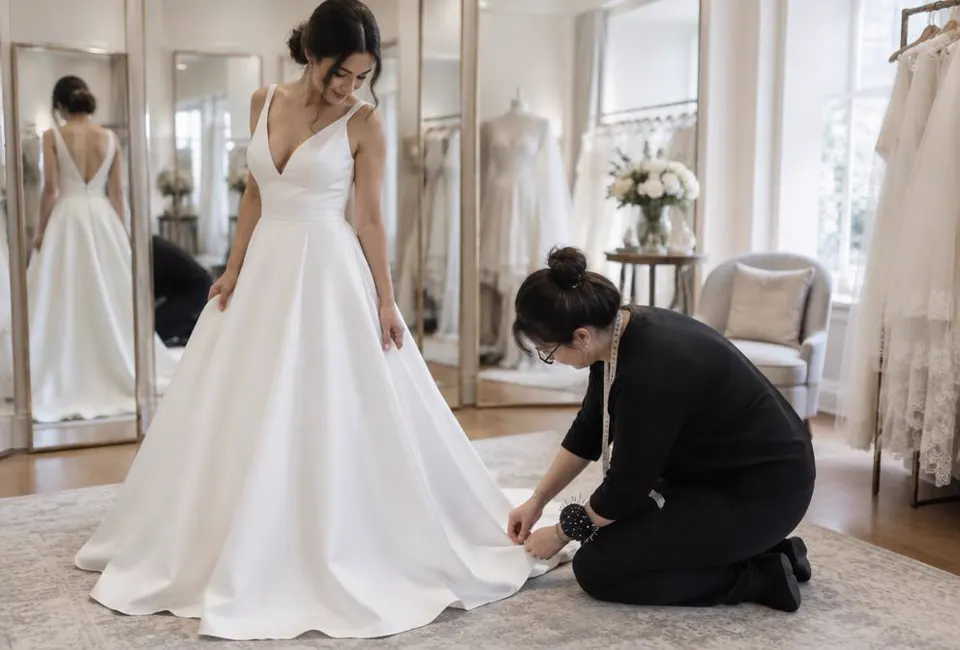
Picking up your attire represents a major milestone in the final month. During the final fitting, wear the exact undergarments and shoes you intend to use on the day to ensure the hemline is perfect. A common mistake is waiting until the day before to steam garments. Instead, have all outfits pressed and hanging in a safe, moisture free environment at least one week prior. If you are traveling for a destination wedding, invest in a high quality garment bag that meets airline carry on specifications. For couples in Australia, where the average cost is about A$35,315 according to Easy Weddings 2025, protecting the investment in attire is a top priority during these final days.
The Wedding Emergency Kit Essentials
- Safety pins and a small sewing kit with matching thread
- Clear medical tape or moleskin for blister prevention
- Stain remover pens and white chalk for covering marks on fabric
- Pain relievers, antacids, and any personal prescription medications
- Double sided fashion tape to secure necklines or loose hems
- Small snacks like protein bars to maintain energy levels
- A printed list of all vendor phone numbers and the day of timeline
Delegation is the key to transitioning from project manager to celebrant. Create a specific duty roster for your wedding party. Assign one person to be the point of contact for all vendor questions and another to manage the transition of gifts or cards to a secure location. By handing over these responsibilities, you prevent the 'decision fatigue' that often plagues the final 48 hours. Consider the experience of Leo and Marcus, who assigned their Maid of Honor to hold all vendor checks, allowing them to focus entirely on their vows without worrying about administrative tasks. This mental shift is essential for enjoying the event you have spent six months building.
| Task Category | Assigned Member | Key Responsibility |
|---|---|---|
| Vendor Liaison | Best Man/Woman | Greets vendors and directs them to the setup area. |
| Financials | Parent/Sibling | Distributes final payments and tips in marked envelopes. |
| Guest Support | Usher/Groomsman | Assists guests with mobility needs and seating questions. |
| Personal Care | Bridesmaid | Manages the emergency kit and monitors the couple's hydration. |
| Post Event Logistics | Trusted Friend | Collects decor, flowers, and personal items after the reception. |
The final countdown requires a balance of action and rest. While costs in the UK can range from £20,600 according to Bridebook 2024 to £23,000 as reported by Which? 2024, the value of your wedding is found in the shared experience. In the last three days, stop all DIY projects regardless of their completion status. If a small detail like a hand painted sign is not finished, leave it. The absence of a minor prop will not be noticed by guests, but your exhaustion will be visible. Focus on getting eight hours of sleep and hydrating. Your primary job now is to arrive at the ceremony feeling refreshed and ready to celebrate.
Final Week Countdown Checklist
- Confirm the final guest count with the caterer and venue coordinator
- Break in wedding shoes by wearing them with thick socks at home
- Pack a dedicated bag for the wedding night and following morning
- Print three copies of the master timeline for key wedding party members
- Organize all tip envelopes and final payments with clear labels
- Pick up all attire and ensure it is stored in breathable garment bags
- Practice your vows out loud at least three times to build confidence
- Confirm transportation pick up times for the wedding party and guests
- Transfer all luggage to the honeymoon suite or getaway vehicle