The Foundational Timing Formulas
Creating a successful wedding photography timeline requires moving beyond guesswork and applying specific, time-tested formulas that account for both artistry and logistics. By establishing these base units of time early in your planning process, you ensure that every essential moment is captured without the day feeling like a rushed production.
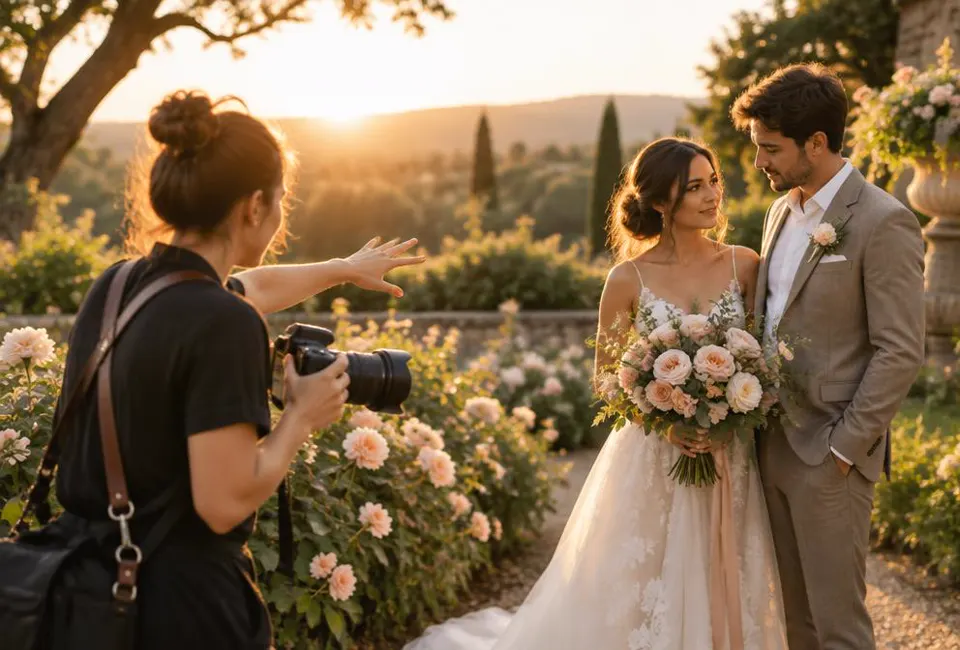
The framework of a professional wedding photography timeline is built upon predictable blocks of time that account for physical movement, lighting requirements, and human behavior. When couples like Sarah and Marcus fail to account for the transition between the ceremony site and the portrait location, they often lose twenty percent of their scheduled shooting time to simple logistics. Instead of viewing the schedule as a rigid set of instructions, treat it as a series of modular components. By mastering the fundamental math of a wedding day, you protect your investment and your sanity, allowing your photographer to work within a structured environment where creativity can actually flourish.
The Core Timing Formulas for a Stress Free Day
Every comprehensive wedding photography timeline utilizes three foundational rules to prevent delays. First is the 30 minute rule for family portraits. This window allows for ten to fifteen standard groupings if everyone is present and ready. Second is the 45 minute window for couple sessions. This duration provides enough time to move past the initial stiff poses and reach a point of genuine connection. Finally, you must include a 15 minute buffer for every instance of travel, even if the distance is only from one side of a hotel to the other. These buffers absorb the inevitable delays of misplaced bouquets or stray relatives.
| Segment Type | Minimum Time | Recommended Time | Primary Goal |
|---|---|---|---|
| Family Groupings | 20 Minutes | 30 Minutes | Formal documentation |
| Couple Portraits | 30 Minutes | 45 Minutes | Artistic storytelling |
| Bridal Party | 20 Minutes | 30 Minutes | Group dynamics |
| Travel Buffer | 10 Minutes | 15 Minutes | Logistical padding |
| Detail Shots | 30 Minutes | 45 Minutes | Styling and decor |
Consider the scenario of Elena and David who ignored the buffer rule during their city wedding. They calculated travel between the church and the park based on a GPS estimate of five minutes. However, they did not account for the time it took for the bridal party to gather their belongings, exit the building, and load into vehicles. This oversight resulted in a thirty minute delay that directly cut into their sunset portraits. By applying a standard 15 minute buffer to every transition, you create a safety net that keeps the entire schedule on track despite the minor hiccups that occur at every wedding regardless of the budget.
Clear communication with your inner circle is the final piece of the foundational puzzle. Your bridal party and immediate family must understand that their punctuality directly affects your photo gallery. Using a clear script can set expectations without sounding demanding. You might say: We have allocated a specific 30 minute window for family photos immediately following the ceremony. Because we want to ensure we get to the reception on time, please stay at the altar area once the ceremony ends. This helps us get through the list quickly so everyone can enjoy the cocktail hour. This transparency prevents guests from wandering off to the bar prematurely.
Foundational Planning Checklist
- Account for 3 minutes per family grouping in the list.
- Schedule 45 minutes for couple portraits to allow for variety.
- Add a 15 minute buffer for every location change.
- Confirm the sunset time to align with portrait sessions.
- Distribute the specific photo start times to the bridal party.
- Verify that all floral arrangements will arrive before portraits begin.
- Designate a point person to gather family members for photos.
- Ensure transport is staged and ready 10 minutes before departure.
When you look at the global landscape of weddings, the costs emphasize the importance of these timings. With the US average at about $33,000 (The Knot Real Weddings Study 2025) and Australia at about A$35,315 (Easy Weddings 2025), photography represents a significant portion of a couple's investment. In the UK, costs range from £20,600 (Bridebook 2024) to £23,000 (Which? 2024), while Canada averages about C$30,000 (RBC). Protecting this investment requires a realistic wedding photography timeline that acknowledges the physical limits of time. Starting with these core formulas ensures that your final gallery reflects the full value of your celebration without missing a single beat.
Morning Preparations and Detail Documentation
The first two hours of your wedding photography timeline set the stylistic tone for the entire gallery by documenting the intimate morning details and the gradual transformation of the couple. This period captures the quiet anticipation before the high energy of the ceremony begins.
The initial sixty minutes are dedicated to flat lay styling and detail documentation. For Sarah and David, this meant having a dedicated box ready for their photographer containing two full invitation suites, their wedding rings, and Sarah's heirloom perfume bottle. By gathering these items in advance, the couple ensured no time was wasted hunting for accessories. This phase allows the photographer to master the lighting of the room and create artistic compositions of the physical elements that represent the wedding theme. Without this focused hour, details often get rushed or forgotten once the bridal party starts moving through the space.
The Hair and Makeup Photography Window
Photographers typically require a ninety minute window for hair and makeup coverage before anyone puts on a dress or suit. During this time, the goal is not to document the entire application process, but rather the final touches. For Sarah, the photographer arrived when her makeup was seventy percent complete. This ensures the photos show the bride looking polished while still capturing the candid energy of the preparation room. For David, this window focused on the final grooming steps and the camaraderie between him and his groomsmen before they transitioned into formal attire.
| Time Increment | Primary Activity | Subject Focus | Goal |
|---|---|---|---|
| 0:00 to 0:45 | Flat Lay Styling | Invitations and Rings | Artistic detail shots |
| 0:45 to 1:15 | Accessory Details | Shoes, Florals, Veils | Cohesive aesthetic |
| 1:15 to 2:00 | Final Glamour | Hair and Makeup | Candid anticipation |
| 2:00 to 2:15 | Preparation Wrap | The Couple | Individual portraits |
A common mistake is scheduling the photographer to arrive too early or too late. If the photographer arrives at the very start of makeup, the couple may feel uncomfortable being photographed without their professional styling. Conversely, arriving too late means missing the symbolic transition of the morning. To avoid this, Sarah and David coordinated with their lead stylist to ensure the bridal party was nearly ready by the ninety minute mark. This alignment ensures the wedding photography timeline remains efficient without sacrificing the storytelling quality of the morning preparation photos.
Essential Detail Kit Checklist
- Two full sets of the invitation suite and envelopes
- Both wedding bands and the engagement ring
- Bridal shoes and any specialized footwear for the groom
- Velvet ring boxes or vintage styling trays
- A loose bundle of greenery or spare blooms from the florist
- Perfume, cologne, and luxury toiletries
- Heirloom jewelry or meaningful cultural accessories
- Handwritten vows or letters to be exchanged
- Custom hangers for the dress and suit
The final thirty minutes of this two hour block focus on the emotional transition. This is when the photographer captures the couple interacting with their closest friends and family members. For David, this involved a toast with his brothers, while Sarah shared a quiet moment with her mother. These images provide a narrative bridge between the static detail shots and the high stakes of the upcoming ceremony. By strictly adhering to this two hour framework, couples ensure they have a balanced mix of curated art and raw emotion to start their wedding album.
The First Look Decision Framework
The decision to see each other before the ceremony is the most significant factor in shaping a wedding photography timeline. This choice dictates the pace of your morning and determines how much time you spend with guests versus the camera during the reception.
The Traditional Aisle Reveal keeps the emotional peak of the day at the ceremony entrance. Couples choosing this path must understand the structural trade-off. Since no couple portraits or wedding party photos happen beforehand, these sessions must occur during the cocktail hour. For a typical wedding where 75 percent of the budget goes toward the guest experience, this means the couple misses their own party. Example couple Sarah and David chose the traditional route but found their portrait session rushed. They only spent ten minutes at their cocktail hour because the family formals took longer than anticipated. This path requires a strict ninety minute gap between the ceremony and dinner to be viable.
The Private First Look creates a logistical advantage by frontloading the formal photography. By meeting sixty to ninety minutes before the ceremony, you complete the couple portraits and wedding party photos while hair and makeup are fresh. This framework shifts the workload. Instead of cramming three distinct photo sessions into one hour, you distribute them across the morning. Example couple Elena and Marcus used a first look to finish all group photos by 3:00 PM for their 4:00 PM ceremony. This allowed them to enter their cocktail hour immediately after the recessional, maximizing their time with international guests who traveled at great expense.
Daylight Efficiency and the Winter Scenario
Winter weddings present a unique challenge where the sun may set as early as 4:00 PM. If your ceremony is scheduled for 3:30 PM, a traditional reveal leaves zero minutes of natural light for outdoor portraits. In this scenario, the first look is not just a preference but a necessity for natural light photography. A couple marrying in June has the luxury of an 8:00 PM sunset, but a December couple must utilize the 1:00 PM to 3:00 PM window for their primary portraits. Without a first look, these couples are limited to indoor flash photography or dark, grainy outdoor shots that may not match their desired aesthetic.
| Activity | Traditional Reveal | First Look Strategy | Time Saved |
|---|---|---|---|
| Couple Portraits | 30 Minutes | 0 Minutes (Pre-done) | 30 Minutes |
| Wedding Party Photos | 20 Minutes | 0 Minutes (Pre-done) | 20 Minutes |
| Family Formals | 15 Minutes | 5 Minutes (Touch-ups) | 10 Minutes |
| Guest Interaction | 0 Minutes | 60 Minutes | Gain 60 Mins |
Beyond the math of the wedding photography timeline, consider the psychological impact of the first look. Many couples report that the private moment reduces ceremony anxiety. It allows for a script that is personal. You can read private vows or simply react naturally without five hundred eyes watching your every expression. If your priority is a relaxed evening where you can enjoy the food and drink you paid for, the first look is the logical choice. However, if the suspense of the walk down the aisle is your primary dream, you must be comfortable with a longer, more structured photography session during the reception break.
First Look Decision Audit
- Check the sunset time for your specific wedding date and location.
- Assess your comfort level with being the center of attention.
- Determine if you want to attend your own cocktail hour.
- Confirm if your venue has two distinct locations for the reveal.
- Evaluate the complexity of your wedding attire and mobility.
- Discuss with your partner if private vows are a priority.
- Check hair and makeup artist availability for an earlier start.
- Review the travel time between the getting-ready site and ceremony.
- Decide if you prefer natural light or stylized flash photography.
A common mistake is trying to hybridize these two methods without adding extra time. If you opt for a traditional reveal but still want sixty minutes of portraits, you must extend the cocktail hour to ninety minutes total. Failure to do so results in a late start for dinner, which disrupts the catering flow and can lead to overcooked food or extra staff hourly costs. In regions where weddings cost significantly, such as Australia where the average is A$35,315 according to Easy Weddings 2025, every minute of the reception should be maximized for enjoyment rather than logistics.
Ceremony and Candid Logistics
The ceremony serves as the emotional core of the wedding photography timeline, requiring a balance between technical precision and unobtrusive observation. Success during this phase depends on a photographer's ability to document cultural rituals and guest reactions without becoming a distraction to the couple or their attendees.
Effective ceremony coverage relies on a multi camera setup to ensure no moment is lost during the exchange of vows. A primary shooter typically anchors the center aisle to capture the processional and the couple's perspective of the altar, while a second photographer focuses on profile shots and the audience. For example, during a ceremony for a couple like Elena and Marcus, the lead photographer remains fixed on the couple's faces while the second shooter moves to the periphery. This allows for the capture of diverse angles, such as a wide shot of the architecture and close ups of the wedding bands, without the photographers crossing paths or obstructing the view.
Adapting to Cultural Rituals and Traditions
Global weddings often incorporate specific rituals that demand a specialized wedding photography timeline. In a Hindu ceremony, photographers must account for the Agni Pradakshina, or circling of the sacred fire, which requires clear sightlines from multiple angles. Similarly, a Jewish breaking of the glass or a tea ceremony in Chinese traditions happens quickly and cannot be staged. Photographers must consult with the couple beforehand to understand the sequence of events. Knowing exactly where the couple will stand during a handfasting or a crowning ceremony ensures the equipment is positioned to capture the symbolism without blocking the officiant's view.
Candid logistics extend beyond the couple to the emotional reactions of the guests. The best candid shots often occur when the focus shifts momentarily away from the altar. A skilled photographer watches for the parents' reactions during the vows or the flower girl's expression during the recessional. For a couple like Sarah and Jo, this might mean the second shooter stays focused exclusively on the front row during the ring exchange. This strategy ensures that while the main narrative is documented, the peripheral joy that defines the day is also preserved through high quality, unposed imagery.
| Moment | Lead Position | Second Shooter Position | Priority |
|---|---|---|---|
| Processional | Top of Aisle | Rear of Aisle | Entrance & Reaction |
| Vows | Center Aisle (Low) | Side Profile / Wing | Emotional Close Ups |
| Rituals | Wide Angle | Tight Detail | Cultural Context |
| Recessional | Walking Backwards | Audience Side | Celebration & Joy |
Managing the physical environment is the final piece of the ceremony logistics puzzle. Lighting conditions can shift rapidly, especially in outdoor settings or historic cathedrals with stained glass. A proactive wedding photography timeline includes a site visit to measure light at the exact time of the ceremony. If the sun is directly behind the couple, the photographer must prepare to use fill flash or adjust exposure to prevent silhouettes. Communicating these technical needs to the couple ensures they understand why certain seating arrangements or altar placements are recommended to achieve the best possible visual results for their investment.
Ceremony Coverage Checklist
- Confirm the 'unplugged ceremony' announcement to keep guest phones out of shots.
- Identify the primary and secondary shooting zones with the officiant.
- Check for harsh shadows or backlighting at the altar area.
- Coordinate the timing of cultural rituals like candle lighting or wine pouring.
- Capture wide shots of the venue before guests are seated.
- Monitor the front two rows for key family reactions.
- Ensure clear sightlines for the first kiss and the recessional exit.
- Synchronize camera timestamps for easier post production sequencing.
- Maintain a low profile to avoid obstructing the view of the wedding guests.
Efficiency in Group Portraits
Managing group portraits is the most logistically demanding phase of any wedding photography timeline, requiring a structured approach to prevent delays. By implementing a standardized system, photographers can capture every essential combination within a strict 30 to 45 minute window.
The Family Wrangler and Strategic Logistics
Success during the portrait block depends on a role known as the family wrangler. This person should not be in the wedding party, but rather a loud and organized cousin or friend who knows both sides of the family. The wrangler holds a printed list of every grouping and calls out names for the next shot while the current one is being photographed. This ensures that guests are ready and waiting, eliminating the time wasted searching for relatives at the bar. When couples like Sarah and David provide their wrangler with a list three weeks in advance, they avoid the stress of forgotten combinations.
The primary goal is to minimize the movement of the couple to maintain their energy and appearance. Instead of the couple walking to different groups, the photographer should treat the couple as the fixed center point. Relatives are then cycled in and out around them. For a 150 guest wedding, allocating 3 minutes per large group and 2 minutes per small group is a safe formula. If a group exceeds 15 people, the photographer must add a 2 minute buffer for positioning. This method keeps the wedding photography timeline on track even if specific guests are briefly missing.
| Group Category | Time Allocation | Priority Level | Wrangler Action |
|---|---|---|---|
| Elderly Relatives | 5 to 10 Minutes | Highest | Gather near seating area |
| Immediate Family | 15 Minutes | High | Line up by height |
| Extended Family | 10 Minutes | Medium | Announce next names |
| Wedding Party | 10 Minutes | Medium | Clear the background |
| Large Group Shot | 5 Minutes | Low | Use a ladder or balcony |
Executing the Small to Large Portrait Method
The Small to Large method is a chronological system designed for maximum comfort. It begins with the most vulnerable guests, such as grandparents or relatives with mobility challenges. By photographing these guests first, they are released to the cocktail hour or a comfortable seating area as quickly as possible. For example, if Elena and Marcus start with a photo including both sets of grandparents, those four individuals are finished within the first five minutes. This prevents fatigue and ensures that the most important elder portraits are secured before the light changes or guests become restless.
Once the elderly relatives are dismissed, the photographer expands the group to include parents and siblings. The list should progress from the couple and their parents to the couple and their entire immediate families. After the immediate family is captured, the extended relatives are invited in for one or two large legacy shots. This sequence creates a logical flow where people are only added to the frame rather than constantly swapping in and out. It maintains a sense of order that guests appreciate, especially when the reception festivities are waiting nearby.
Communication is the final piece of the efficiency puzzle. The couple should send a script to their family members via email one week before the wedding. A simple message stating that family photos will begin immediately after the ceremony and will last 30 minutes helps set expectations. When guests know they are required for a specific window, they are less likely to wander off. Following this protocol ensures that the wedding photography timeline remains a source of organization rather than a source of frustration for the couple and their vendors.
Portrait Session Prep Checklist
- Select a wrangler who is familiar with both families
- Print three physical copies of the finalized shot list
- Identify a portrait location with flat ground and shade
- Inform grandparents of the exact time and meeting point
- Confirm the 'must have' list is limited to 15 groupings
- Designate a 'holding area' for groups waiting their turn
- Ensure the wrangler has a loud, clear speaking voice
- Check that the couple has water and snacks available
Golden Hour and Reception Flow
The golden hour represents the most coveted light for wedding photography timeline planning, yet it often clashes with formal meal service. Master this transition by prioritizing quick, high impact movement over lengthy sessions.
Managing the golden hour during a reception requires a balance between aesthetic perfection and hospitality. Couples often feel torn between sitting with guests and chasing the fading sun. To solve this, implement the 15 minute Sunset Sprint formula. This involves scheduling the exit exactly twenty minutes before the official sunset time listed on local weather apps. By departing during a course transition, such as between the entree and dessert, you minimize the absence. Example couple Elena and Marcus successfully used this method by informing their catering lead to hold their main course until they returned, ensuring they did not miss the hot meal while capturing backlit portraits.
The Sunset Sprint and Catering Coordination
Effective execution of the Sunset Sprint relies on strict discipline and pre-planning. The photographer should scout the specific location, such as a nearby field or balcony, earlier in the afternoon. At the appointed time, the couple slips away for exactly fifteen minutes. The first five minutes focus on wide, environmental shots, the middle five on intimate close-up portraits, and the final five on movement, like walking back toward the venue. This prevents the session from bloating into a forty minute disappearance that disrupts the flow of the kitchen staff. Most guests will not even notice the couple has left if the timing aligns with a lull in service.
| Scenario | Action Point | Photography Focus | Kitchen Impact |
|---|---|---|---|
| Formal Plated | Post Main Course | Backlit Silhouettes | Low: Dessert Prep |
| Family Style | Mid Main Course | Golden Flare | Medium: Refills |
| Buffet Service | Final Table Call | Wide Landscapes | Low: Guest Eating |
| Cocktail Style | Speech Break | Candid Motion | None: Flowing Food |
Once the sprint concludes, the wedding photography timeline shifts focus to the high energy reception events. Transitioning into speeches and first dances requires the photographer to be in position at least five minutes before any lighting changes occur. A common mistake is for the master of ceremonies to announce a dance while the photographer is still changing lenses or batteries in a dark corner. To avoid this, the photographer must establish a line of sight with the DJ or band leader. This ensures that house lights are dimmed only after the photography team has confirmed they are ready for the specific lighting conditions of the dance floor.
Reception Logistics Checklist
- Synchronize watches with the catering manager and DJ.
- Designate a point person to fetch the couple for sunset.
- Identify the exact spot where the sun disappears below the horizon.
- Confirm the flash power levels for the dark reception space.
- Ensure the couple has a glass of water before the Sunset Sprint.
- Alert the maid of honor or best man regarding speech timing.
- Set a firm fifteen minute timer for the sunset session.
- Clear the dance floor of stray glassware before the first dance.
- Verify that the house lights will dim slowly rather than instantly.
The final stage of this segment involves the transition from formal dances to an open floor. As the house lights go down, the photographer must shift from a fly on the wall approach to an active participant in the energy. Position is everything here. By standing on the edge of the dance floor before the music peaks, the photographer captures the immediate rush of guests joining the couple. This ensures the wedding photography timeline captures the shift from the structured elegance of the sunset to the spontaneous joy of the party, all while maintaining the integrity of the planned schedule.
Common Timeline Pitfalls to Avoid
Protecting your wedding photography timeline requires identifying hidden logistical gaps before they disrupt your celebration. By anticipating common scheduling errors, you can maintain a relaxed atmosphere and ensure your photographer captures every essential moment.
The Five Most Common Scheduling Errors
The most frequent mistake couples make is treating travel time as an instantaneous teleportation. If the ceremony ends at 3:00 PM and the reception starts at 3:30 PM across town, you have effectively zero minutes for photos after factoring in guest exit logistics and traffic. Another critical error involves underestimating hair and makeup durations. If one bridesmaid finishes fifteen minutes late, the entire bridal portrait session suffers. Additionally, failing to account for 'hidden transitions,' such as the time it takes to gather fifty guests for a group photo, often leads to a twenty percent loss in scheduled shooting time. Finally, forgetting to factor in sunset times or the time needed to bustle a complex dress can derail the most organized plans.
Critical Planning Pitfalls
- Ignoring the 'buffer zone': Not adding fifteen minutes to every transition period.
- The Reception Gap: Underestimating the time needed to move guests from cocktails to dinner.
- Overloading the shot list: Requesting too many specific combinations during the golden hour.
- Communication breakdown: Not providing the photographer with the contact info for the Maid of Honor.
- Vendor meal timing: Scheduling the photographer to eat at the same time as the guests, missing key speeches.
Consider Sarah and David, who planned their ceremony at a scenic cliffside but forgot to account for the twenty minute hike back to the parking lot for their guests. This oversight delayed their grand entrance by forty minutes. To avoid this, apply a fifteen percent time tax to every estimated duration. If your hair stylist says they need two hours, book them for two hours and twenty minutes. This strategy absorbs the inevitable minor delays without sacrificing your creative portrait time or forcing your photographer to rush their artistic process during the most meaningful parts of your wedding day.
The 30 Minute Recovery Protocol
When your wedding photography timeline runs thirty minutes late, panic is the enemy of quality. Use a structured Recovery Protocol to salvage the session. First, prioritize 'The Big Three': the couple's portraits, the immediate family, and the wedding party. Scripted instructions to your photographer should be: 'Focus on the core list and move all secondary extended family shots to the reception.' This immediate pivot saves approximately twenty minutes of coordination. By narrowing the focus to high priority shots, you ensure that the core narrative of your day remains intact while the lower priority candids are captured later during the party.
| Scenario | Original Plan | Recovery Action | Time Saved |
|---|---|---|---|
| Hair/Makeup Late | 60 min Prep Photos | Focus on Final Veil/Jewelry only | 20 Minutes |
| Traffic Delay | 45 min Couple Session | Reduce to 3 Locations at 1 Site | 15 Minutes |
| Ceremony Overrun | 30 min Group Shots | Capture VIPs only: Move rest to Dinner | 20 Minutes |
| Dinner Delayed | Sunset Session | Shorten to 10 min near Venue Exit | 15 Minutes |
Maintaining a flexible mindset is essential for a successful wedding photography timeline. Couples who accept that the schedule may shift are able to stay present and joyful, which results in better photos. If a delay occurs, trust your professional photographer to make executive decisions on lighting and location. Their expertise allows them to condense a one hour session into a high impact twenty minute shoot if necessary. Remember that the goal is to document your union, not to strictly adhere to a document. Focus on the connection with your partner, and the timeline will naturally follow the flow of your unique celebration.